
Gun Triple Option (GTO) Offense Introduction
This blog is designed to help coaches who want to install a basic Gun Triple Option (GTO) offense. Before transitioning into the GTO, I strongly recommend first implementing the Flexbone offense to build a strong foundation in option football principles. Over time, I’ve developed my own terminology and teaching methods for the system, and I’m excited to share them with anyone reading this blog.
GUN TRIPLE OPTION OFFENSE INTRODUCTION
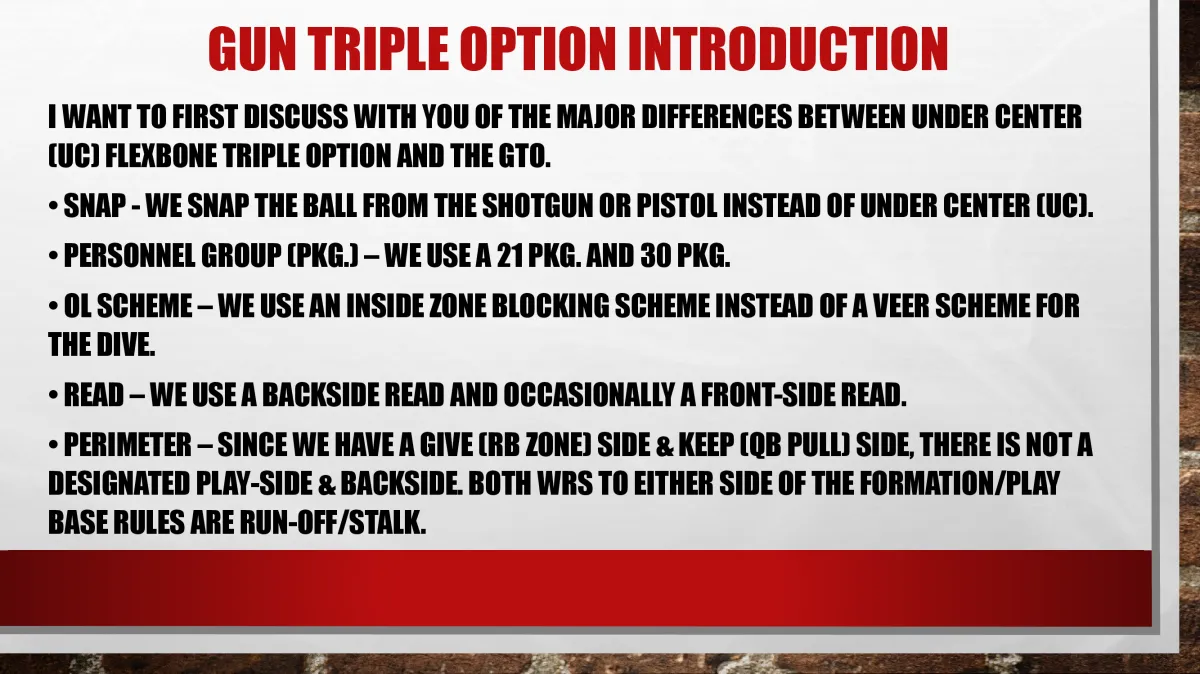
Before diving into the Gun Triple Option offense, it’s important to understand the major differences between the traditional under-center (UC) Flexbone Triple Option and the GTO system.
Key Differences Between UC Flexbone and GTO
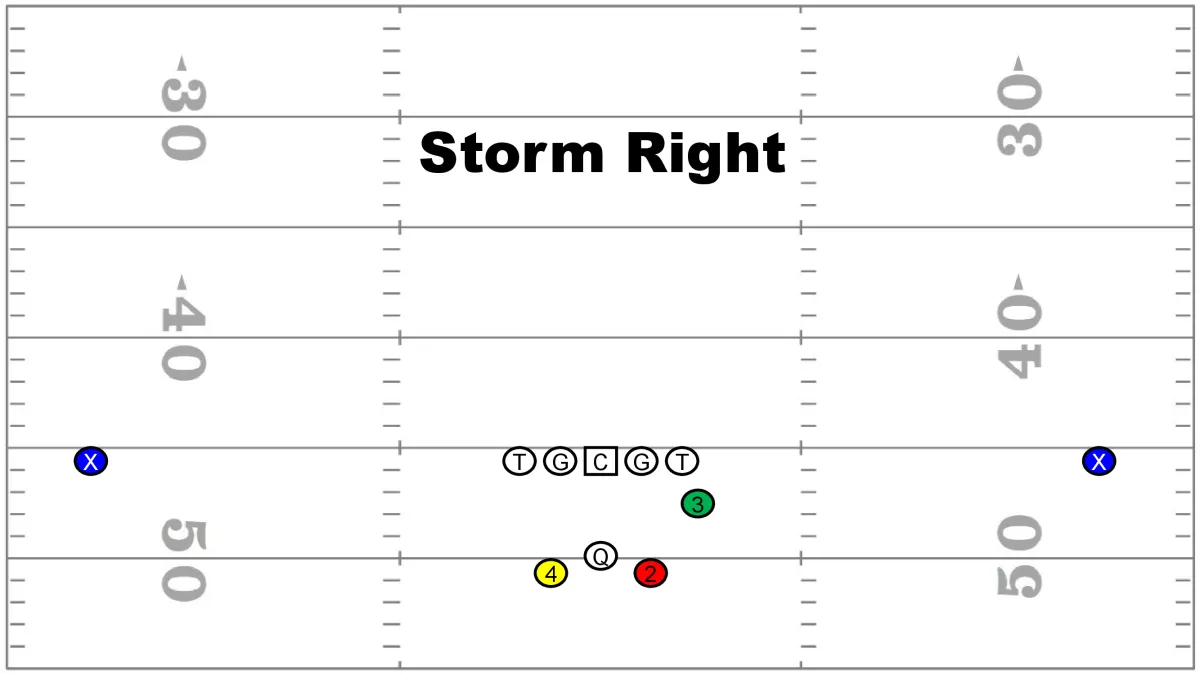
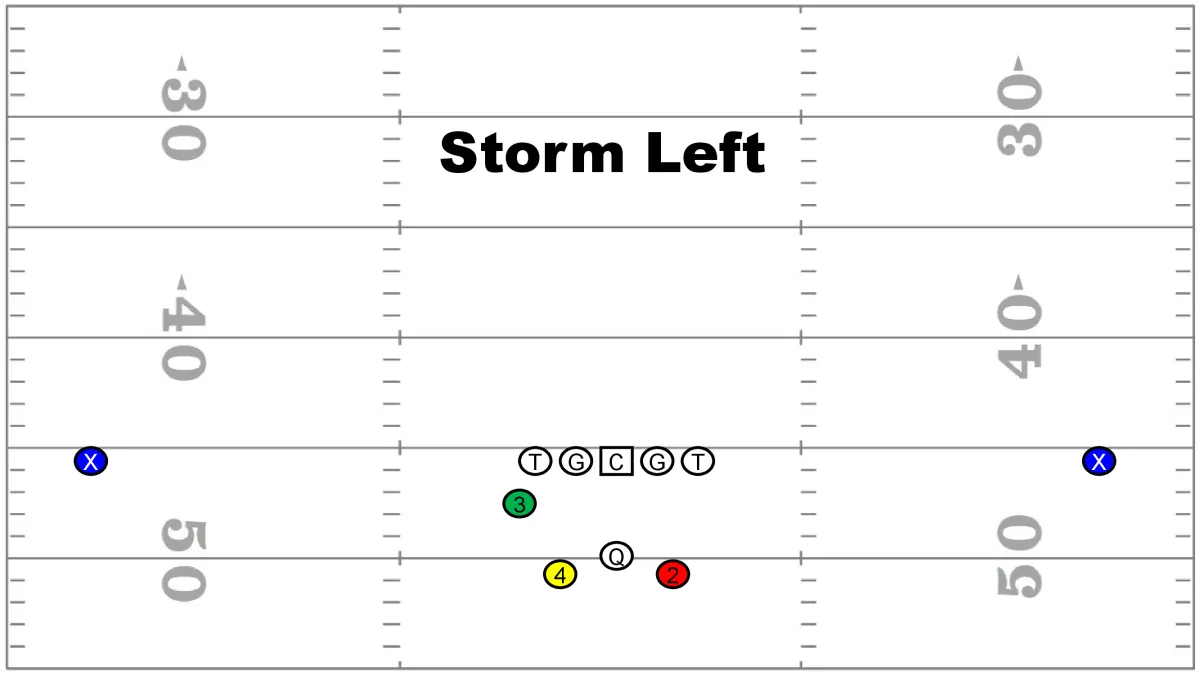
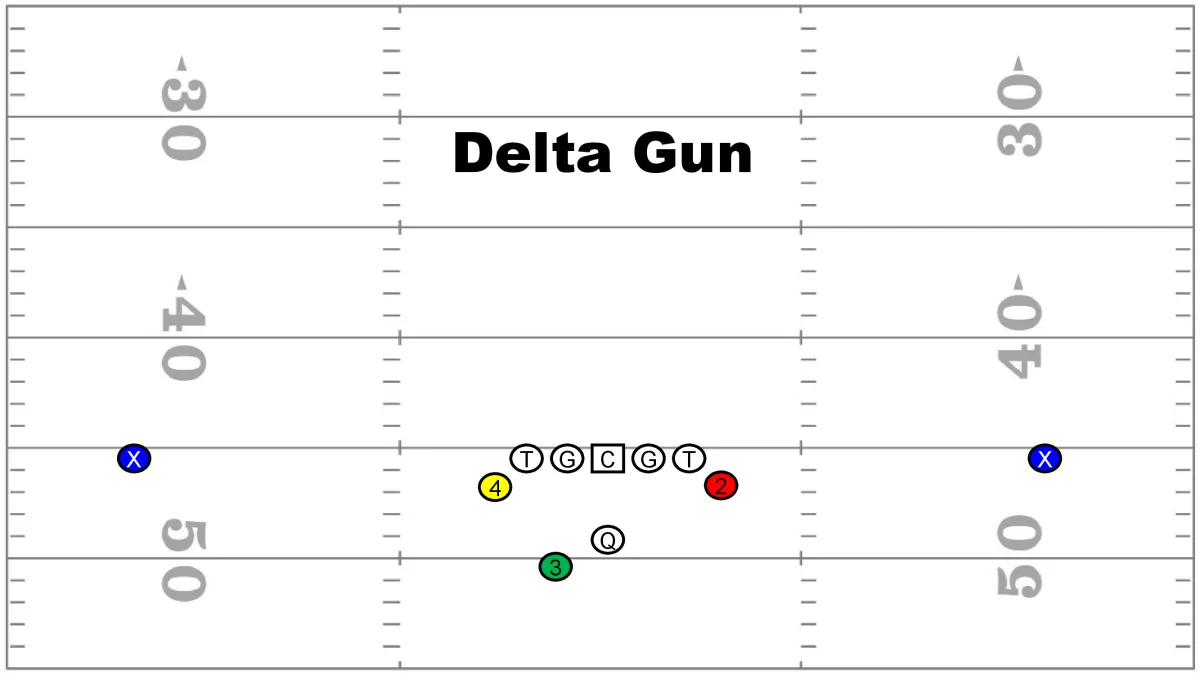
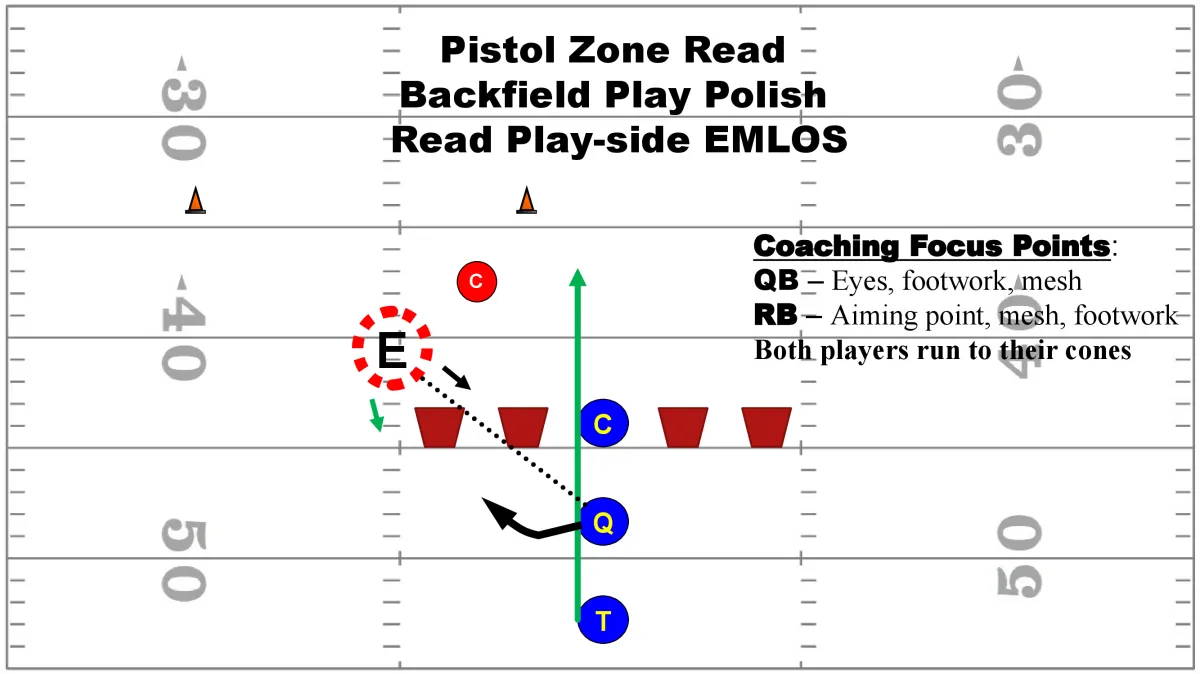
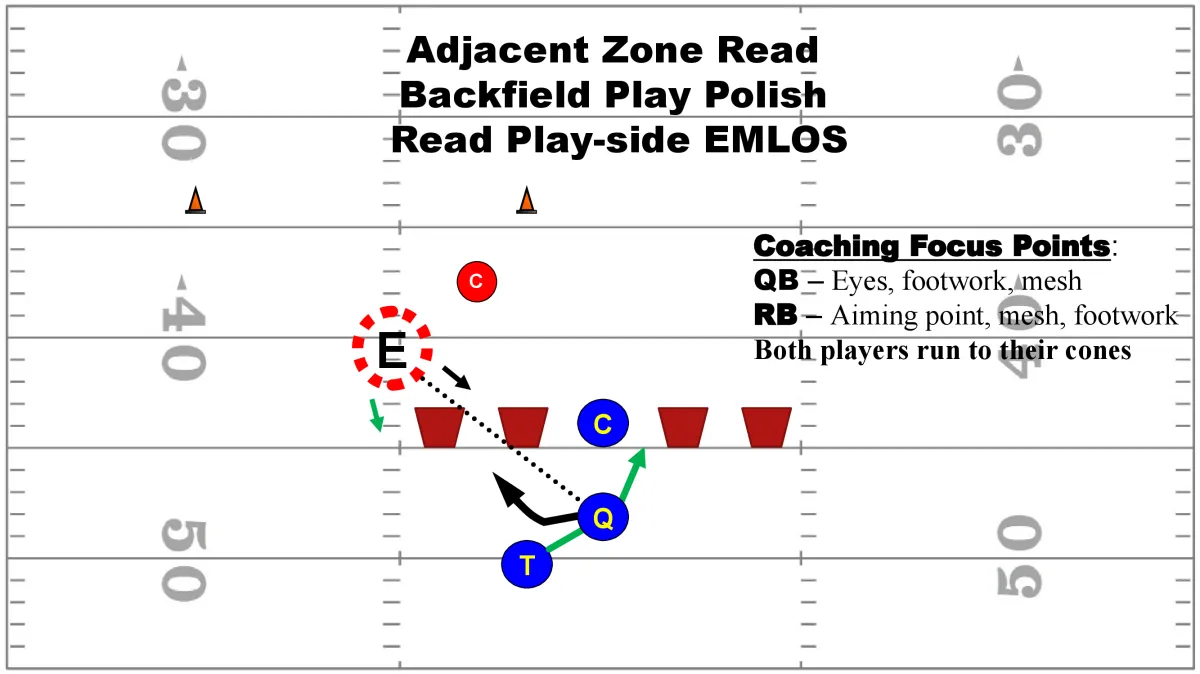
- Snap – The offense operates from the shotgun or pistol formation rather than under center.
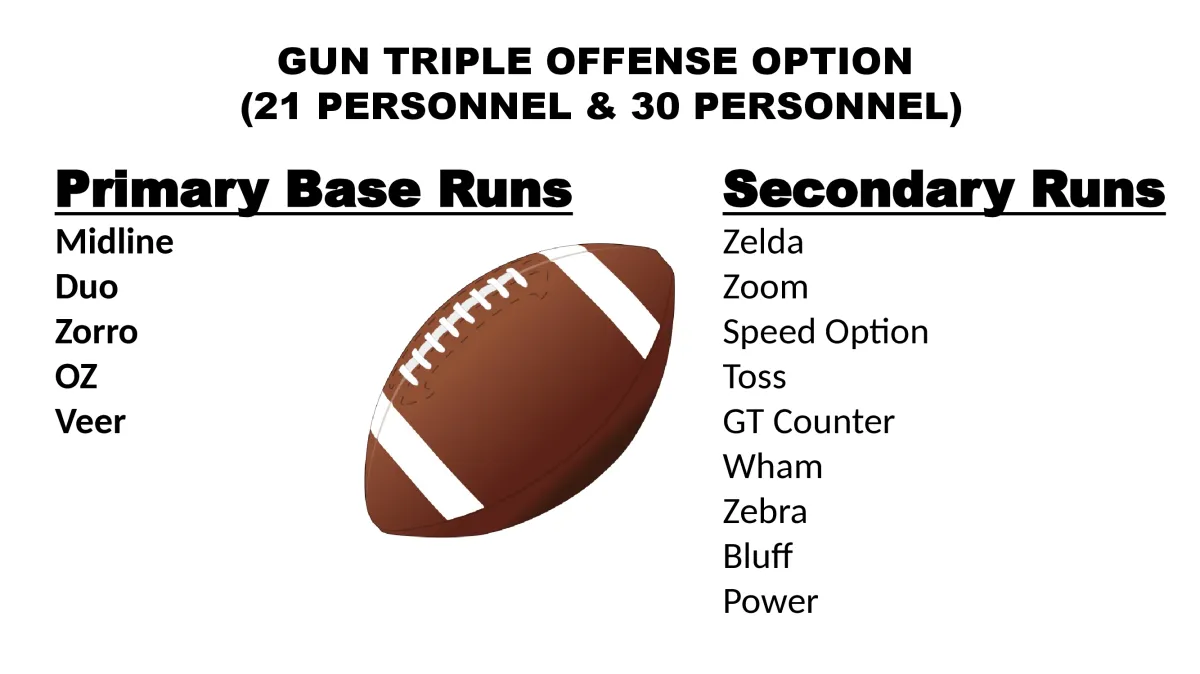
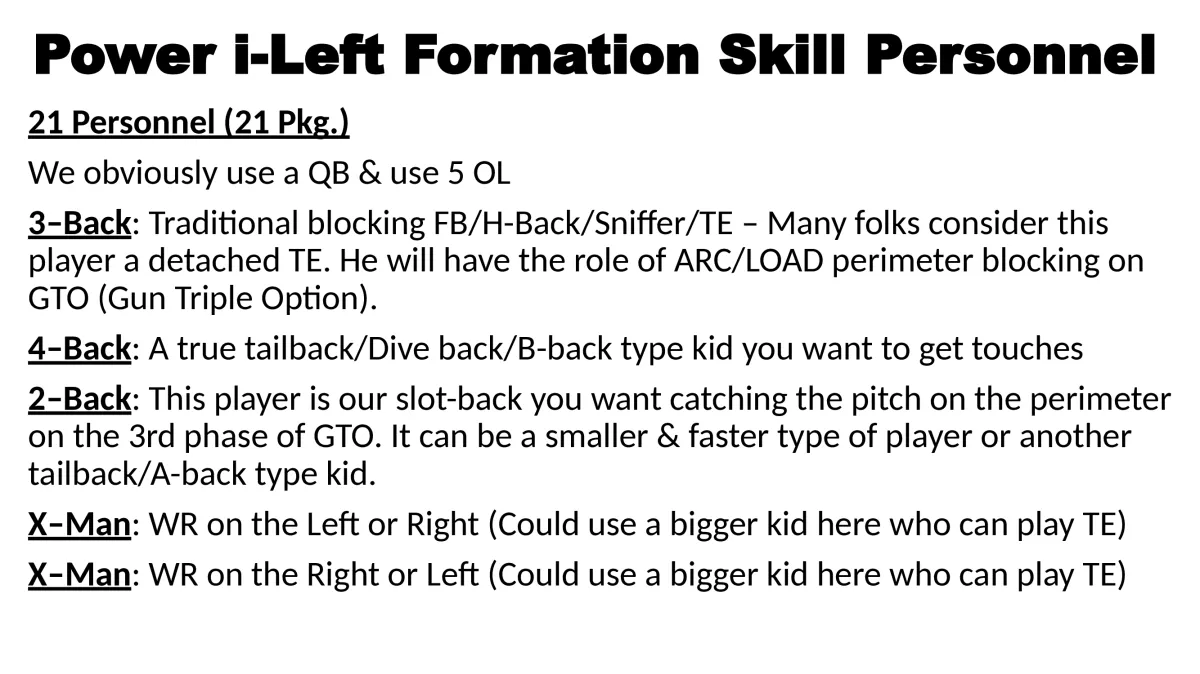
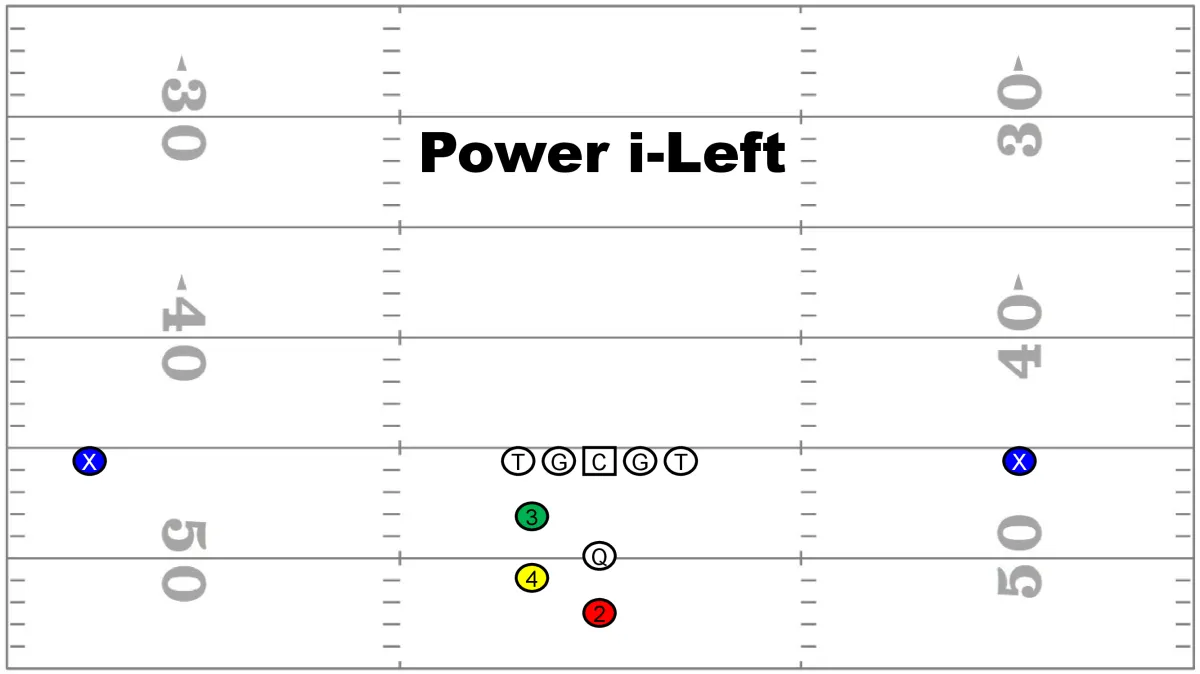
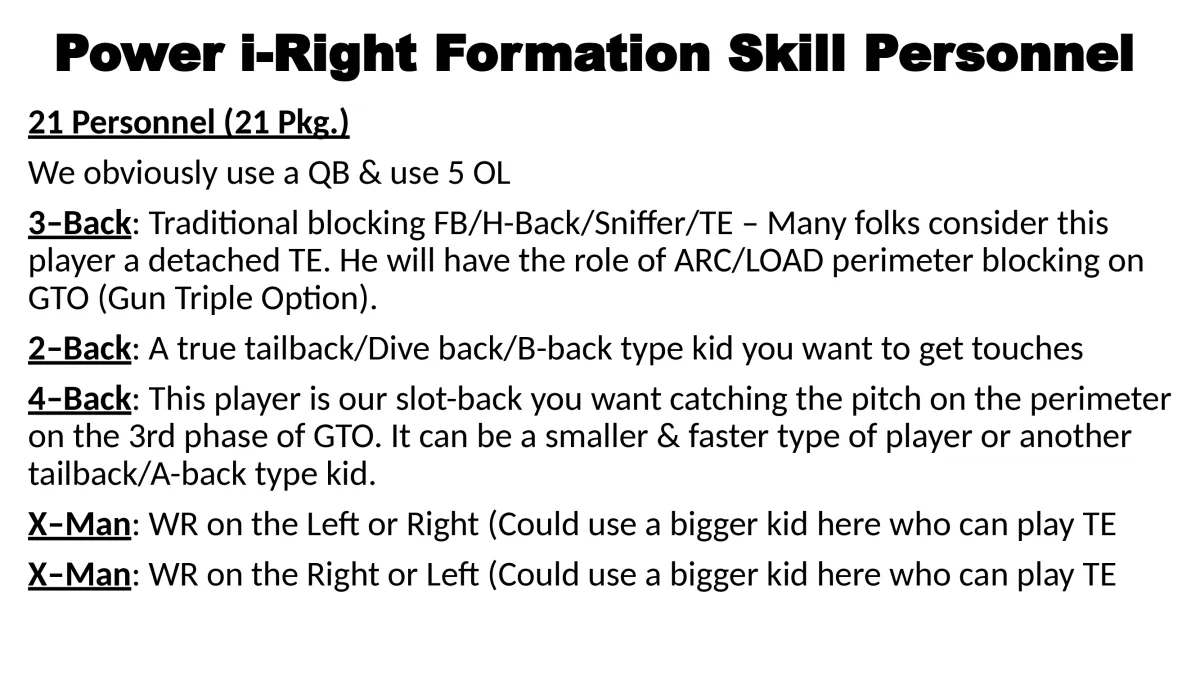
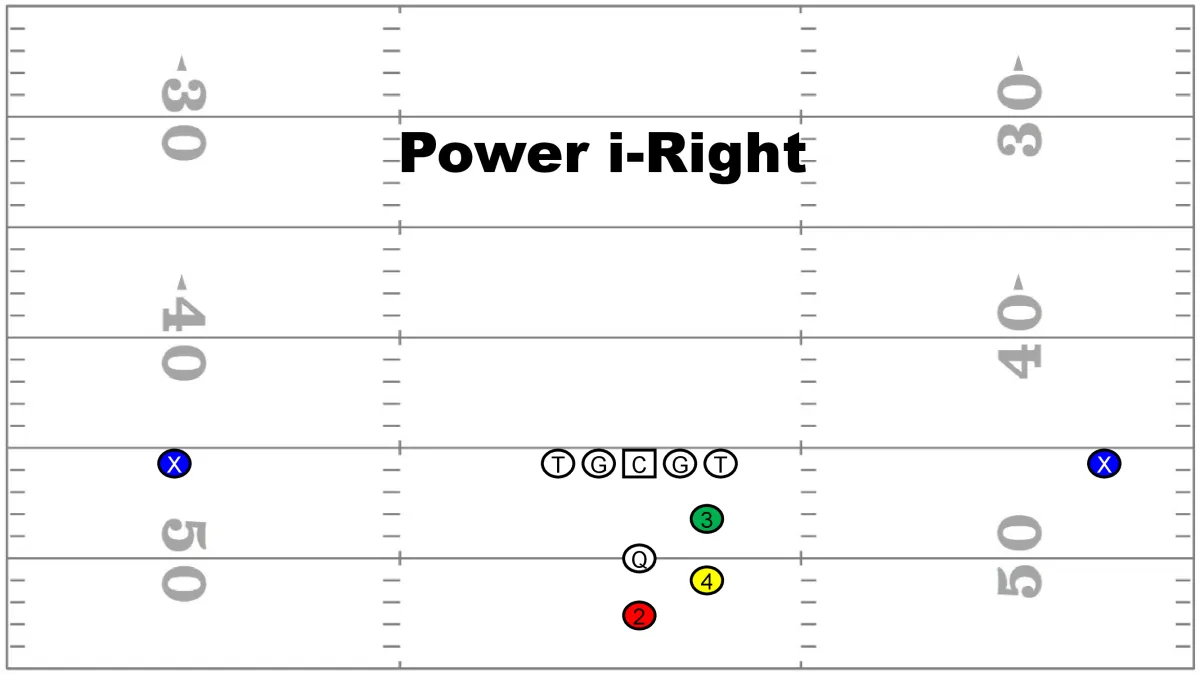
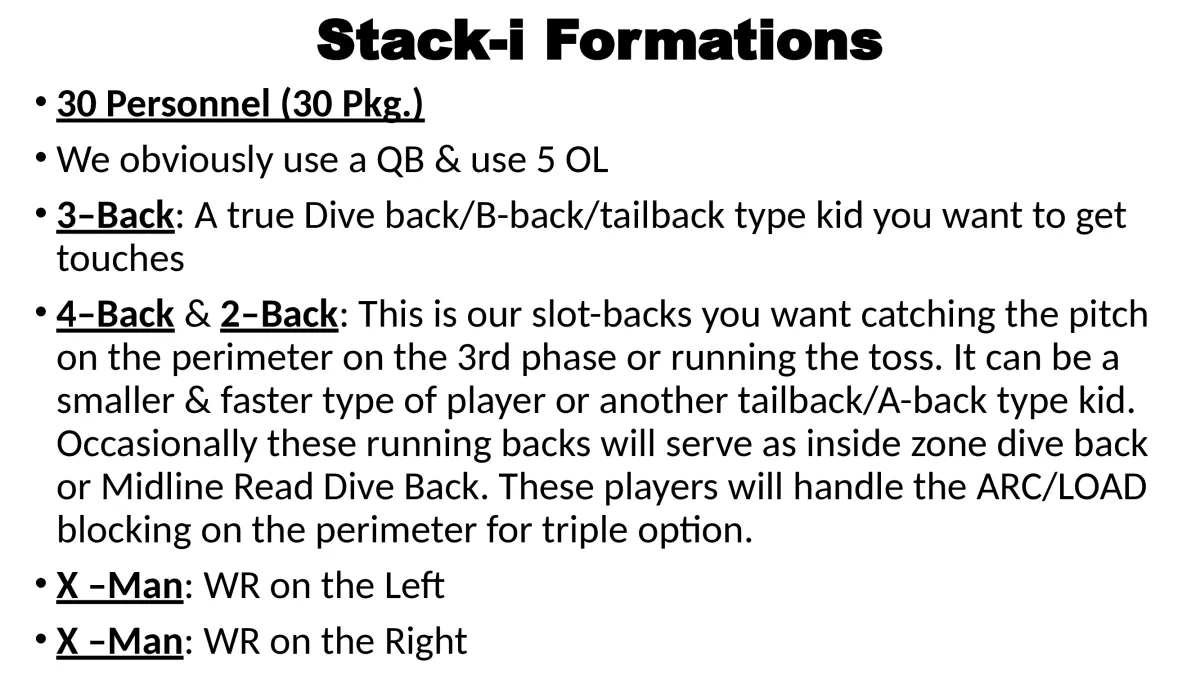
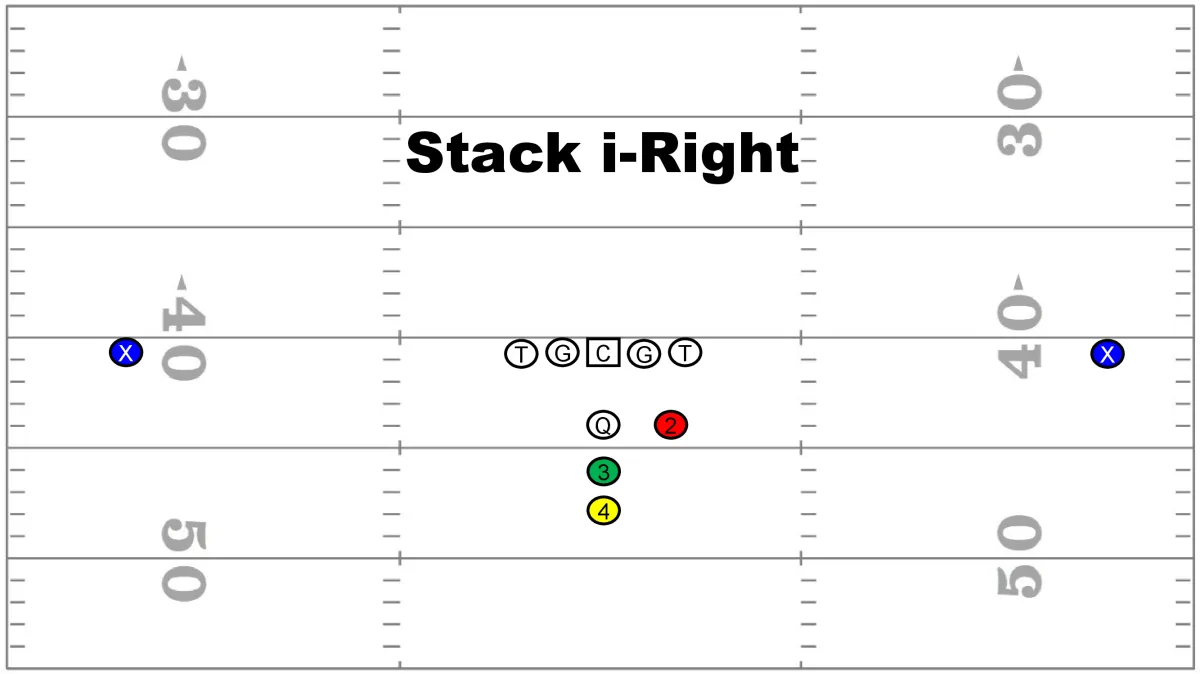
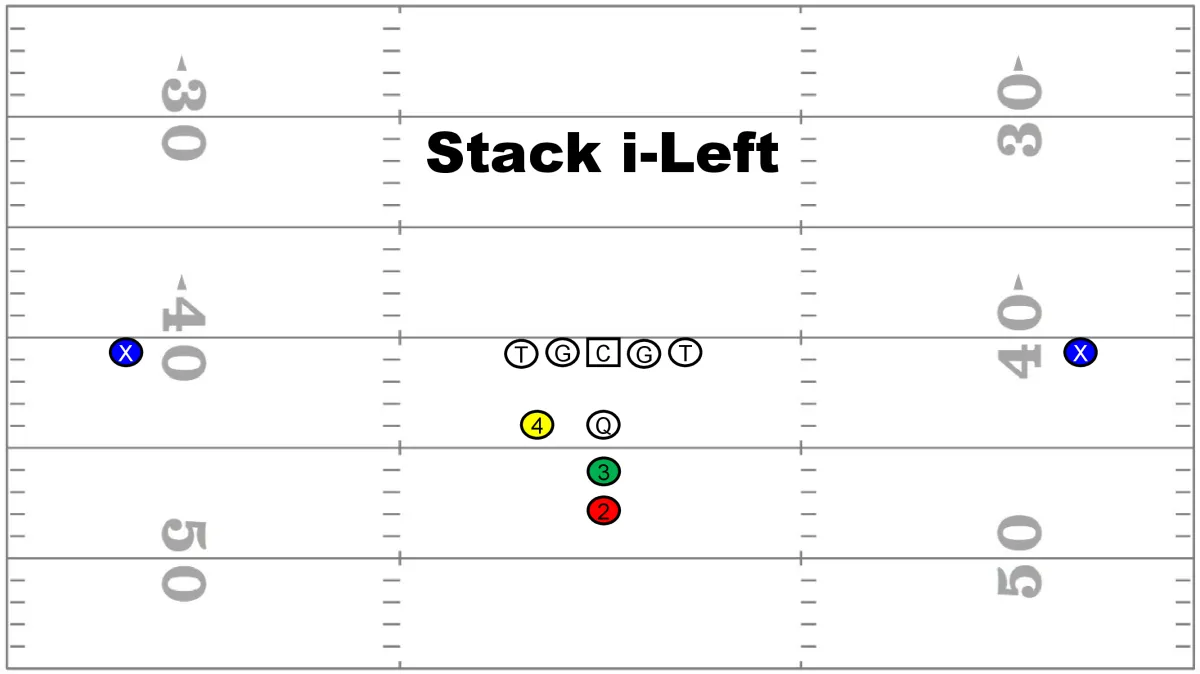
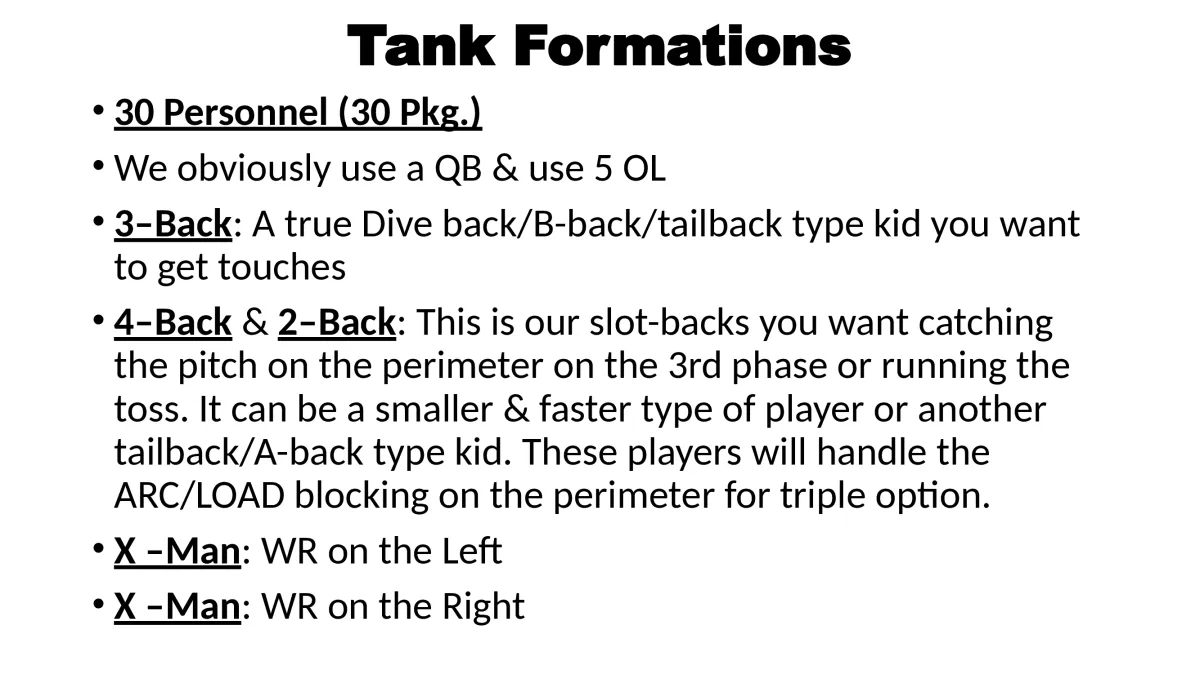
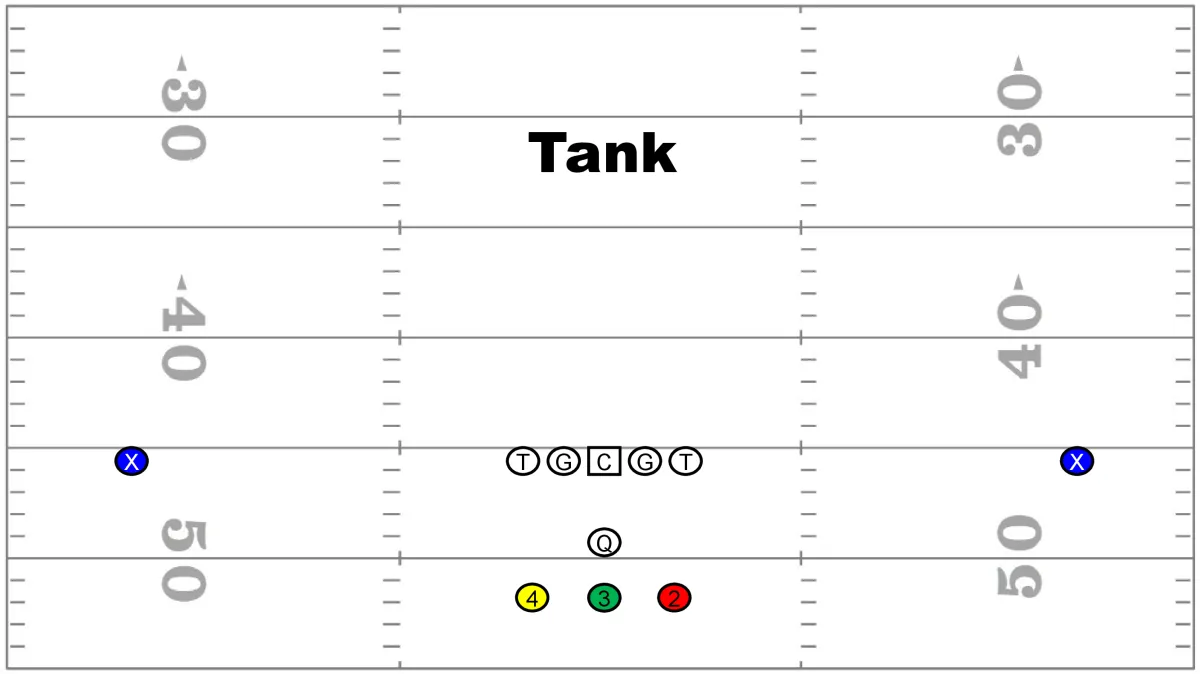
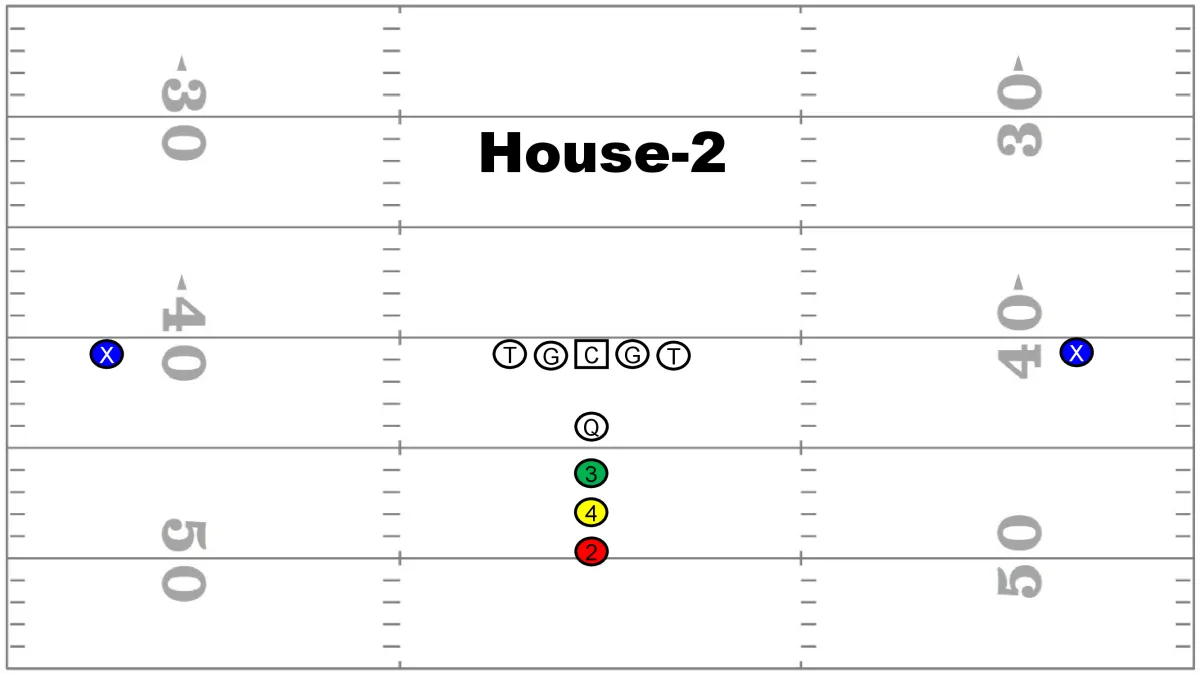
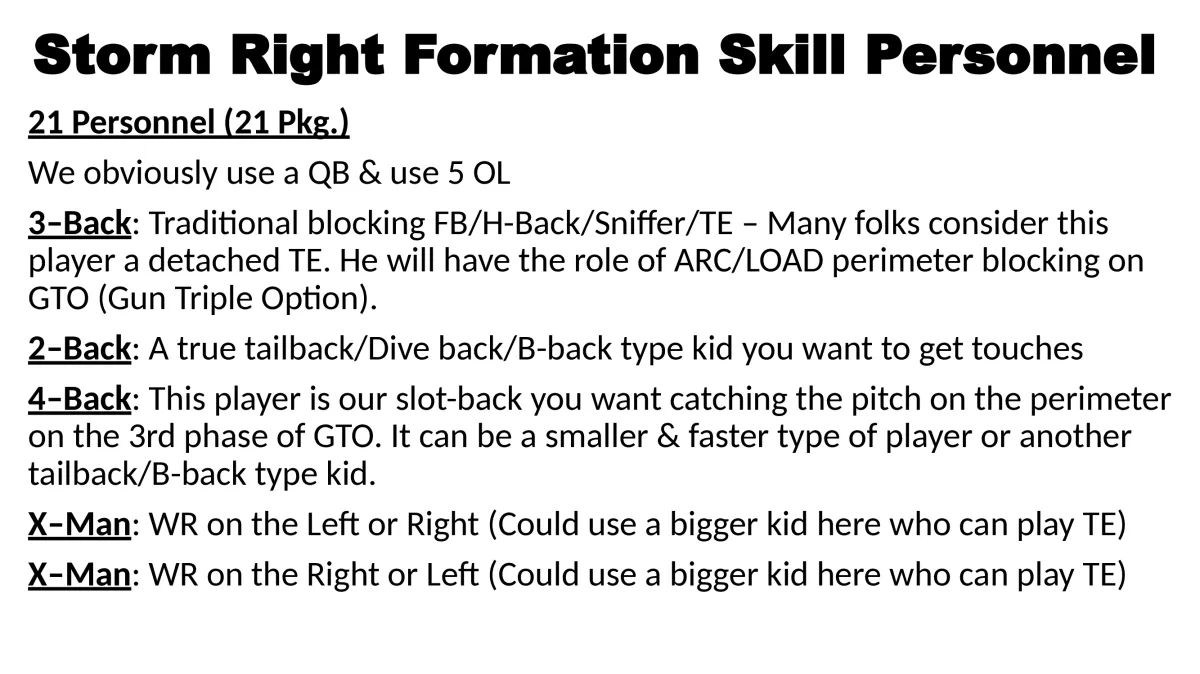
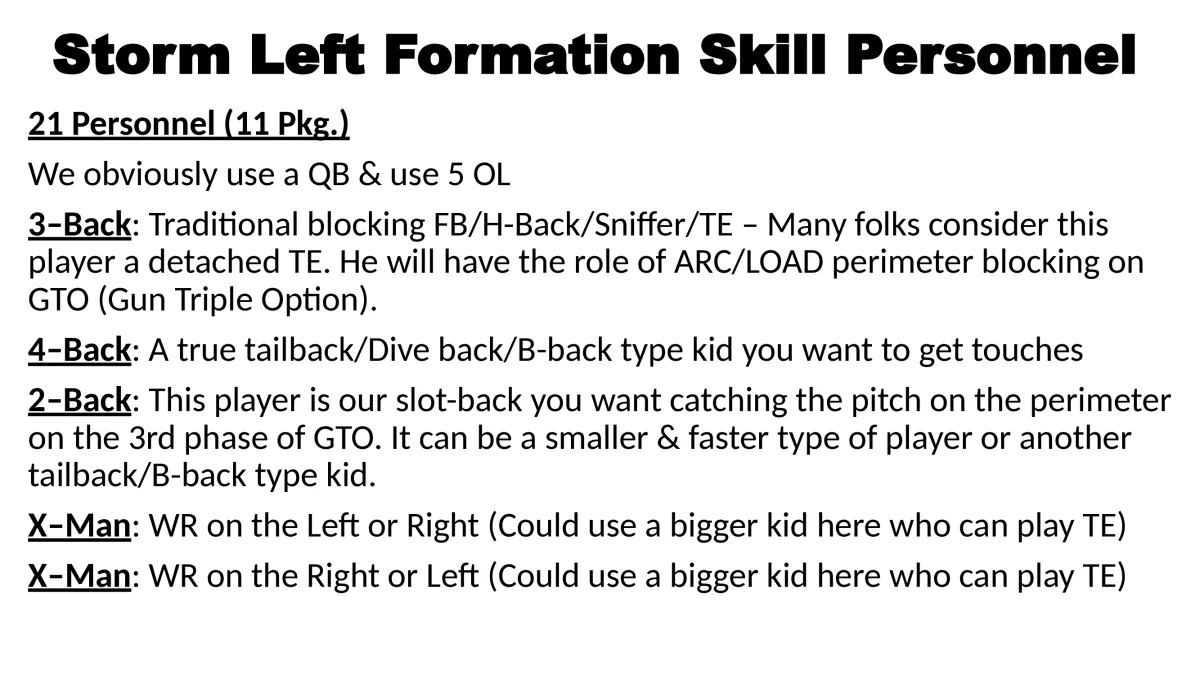
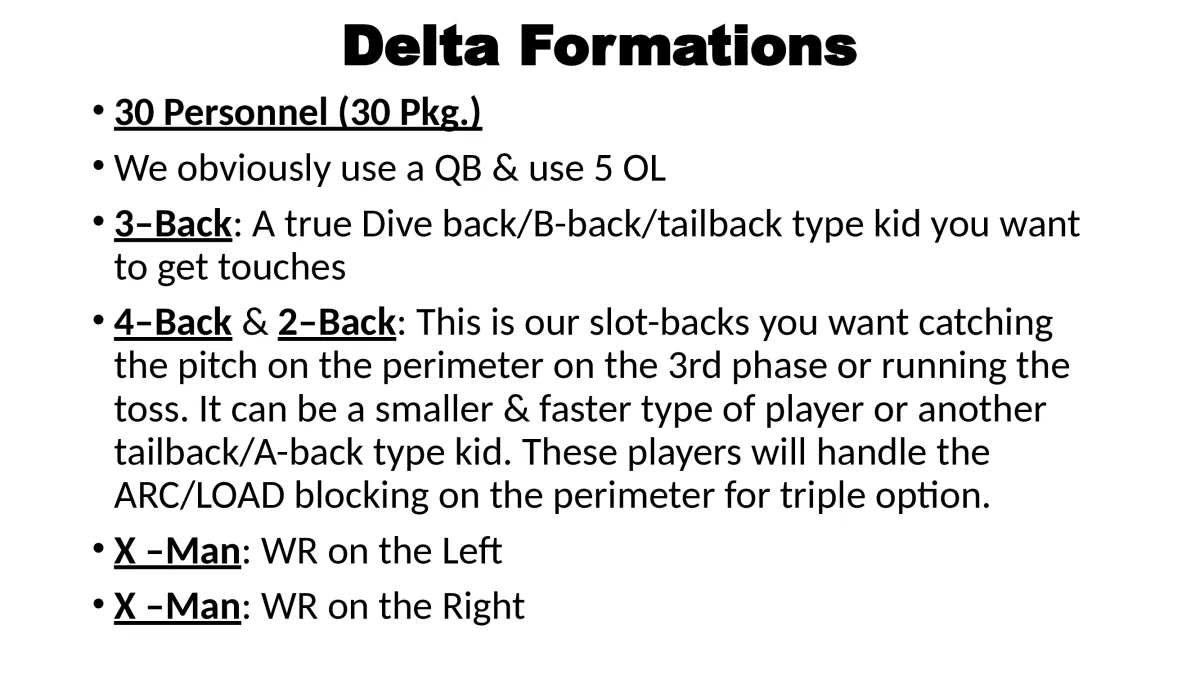
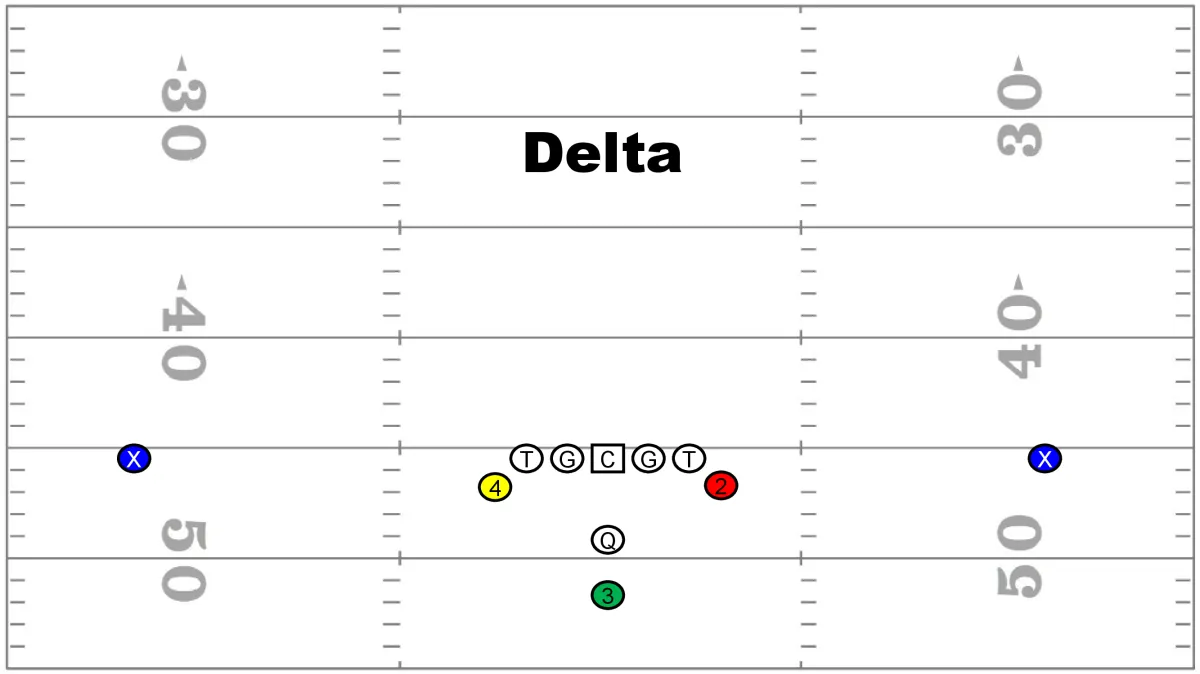
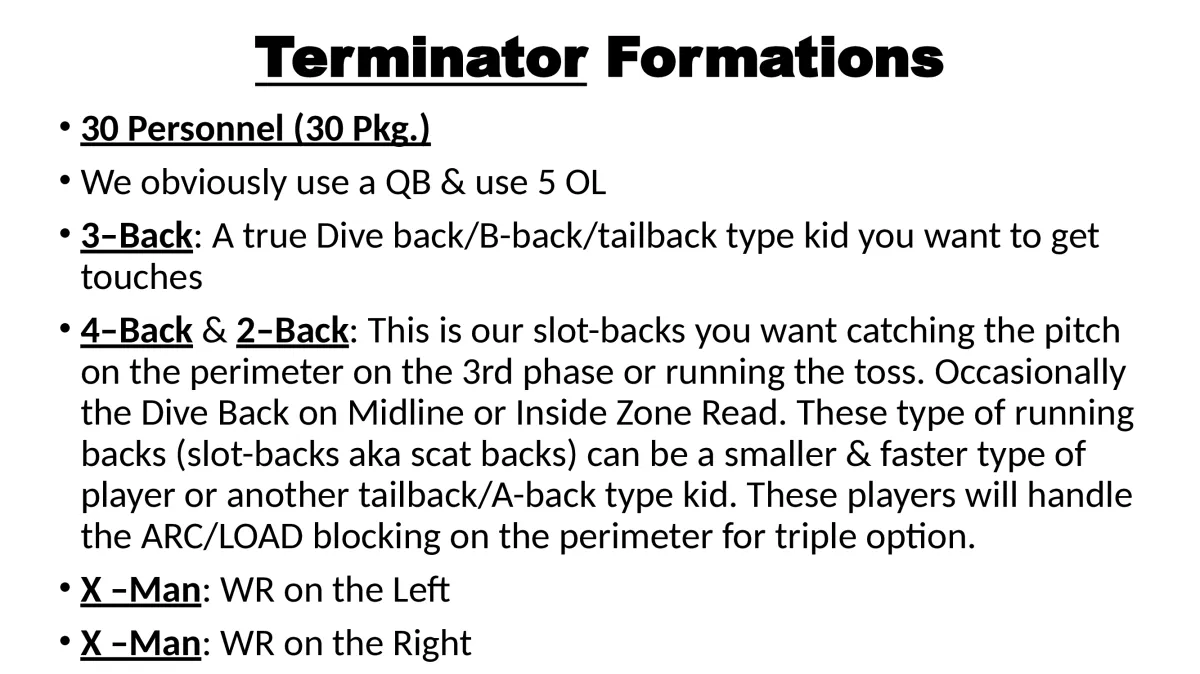
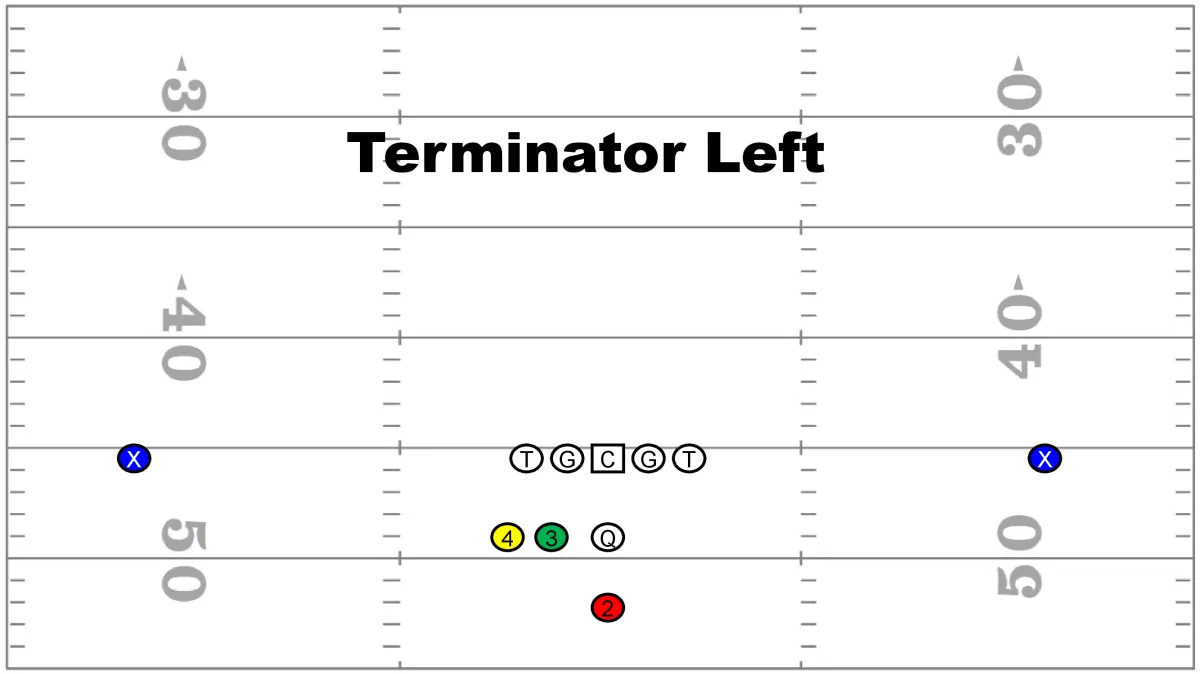
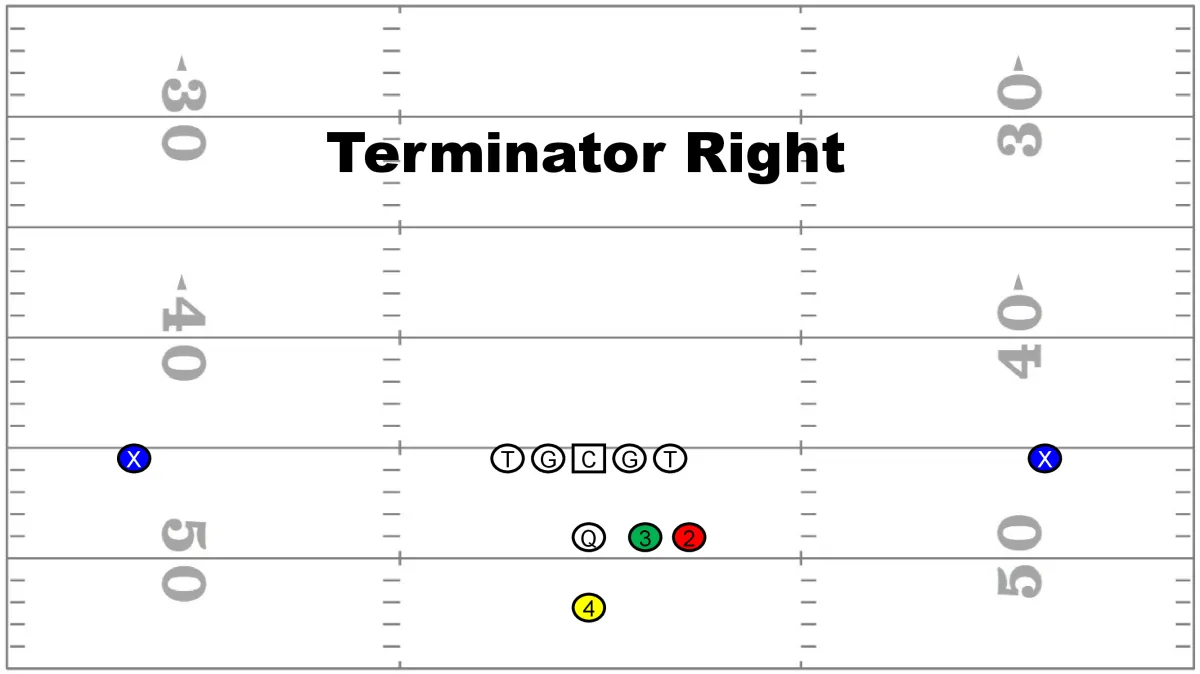
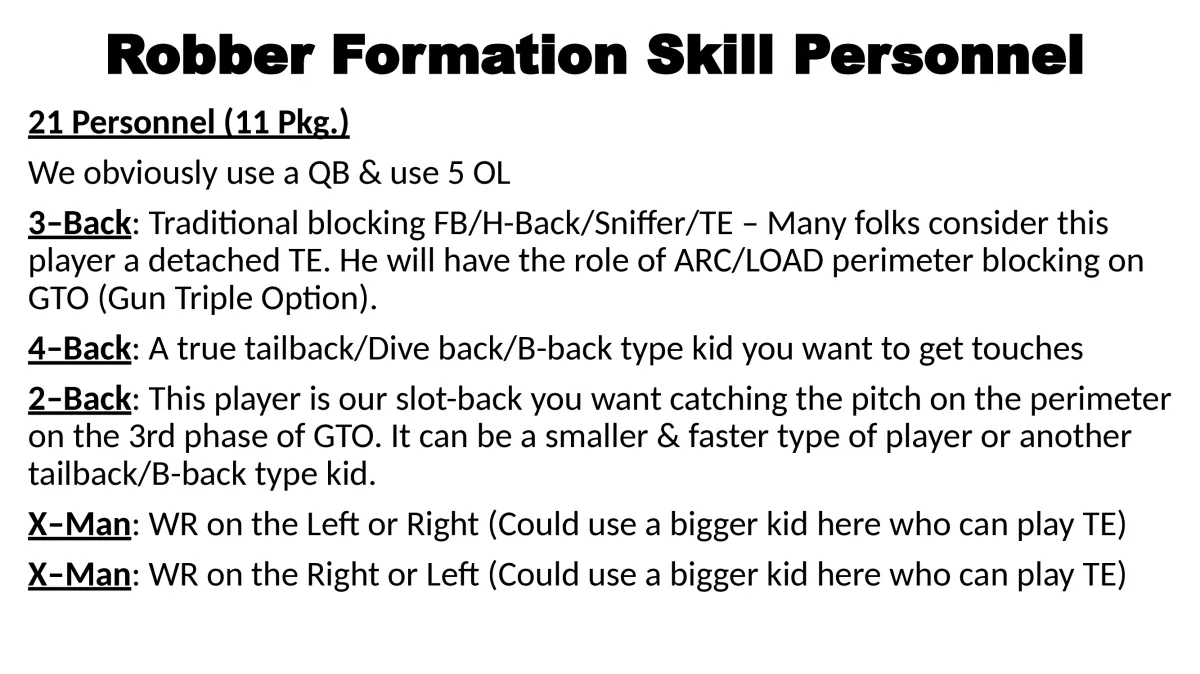
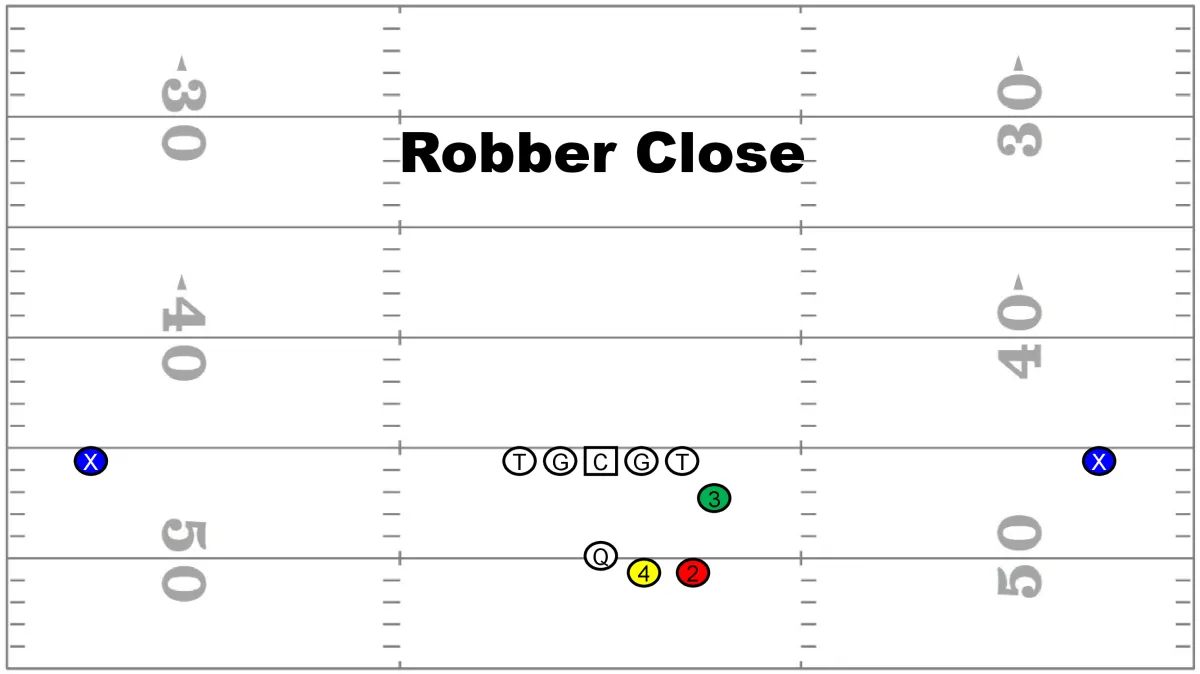
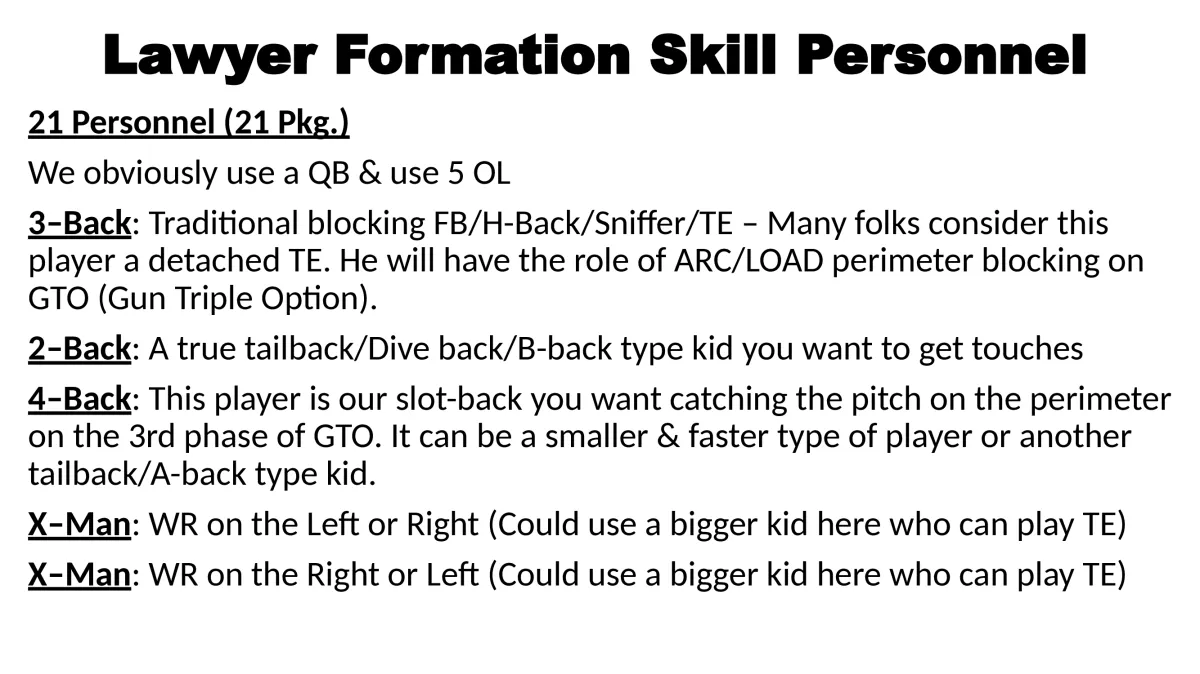
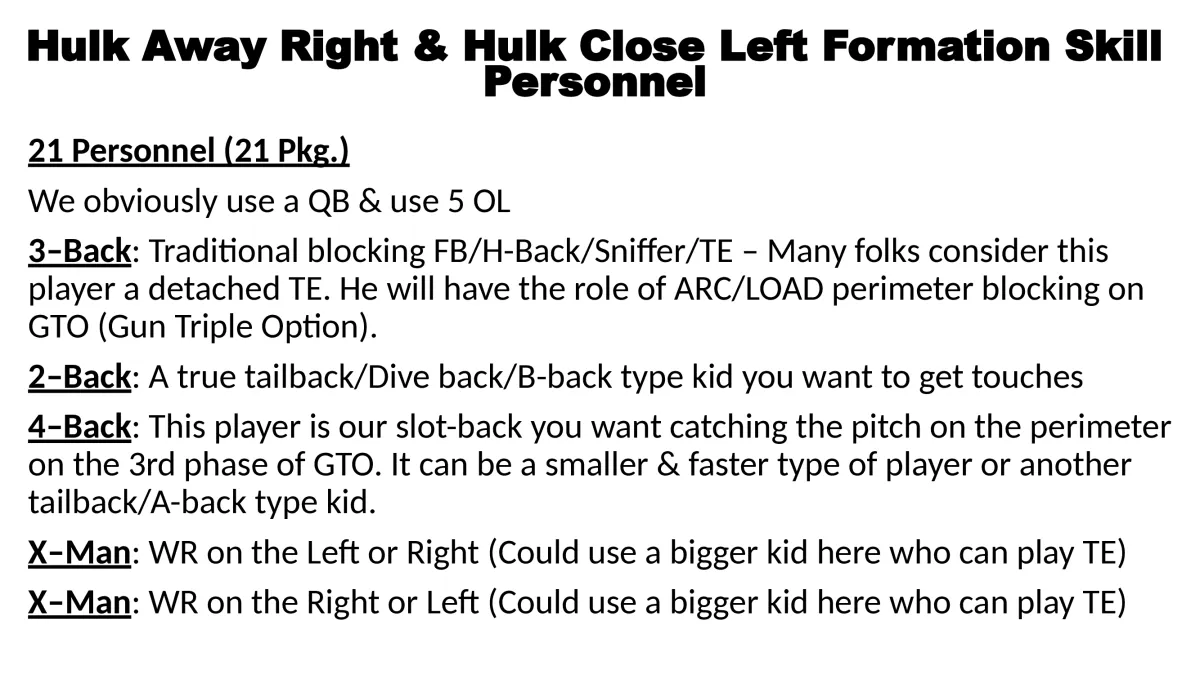
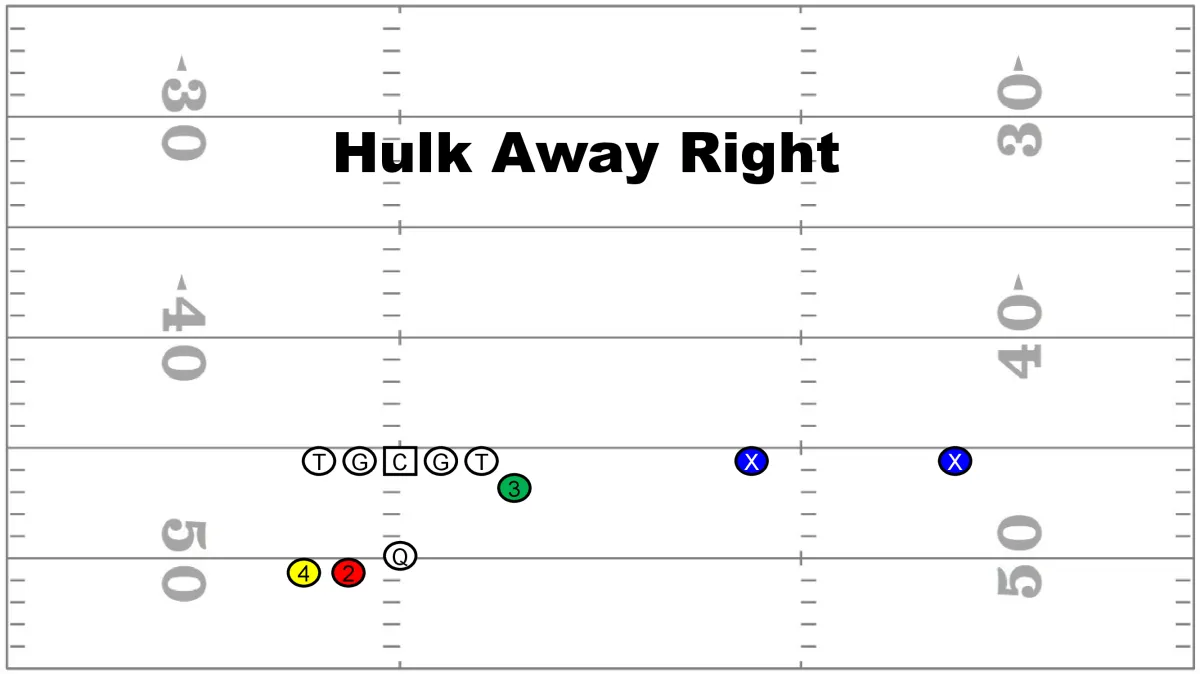
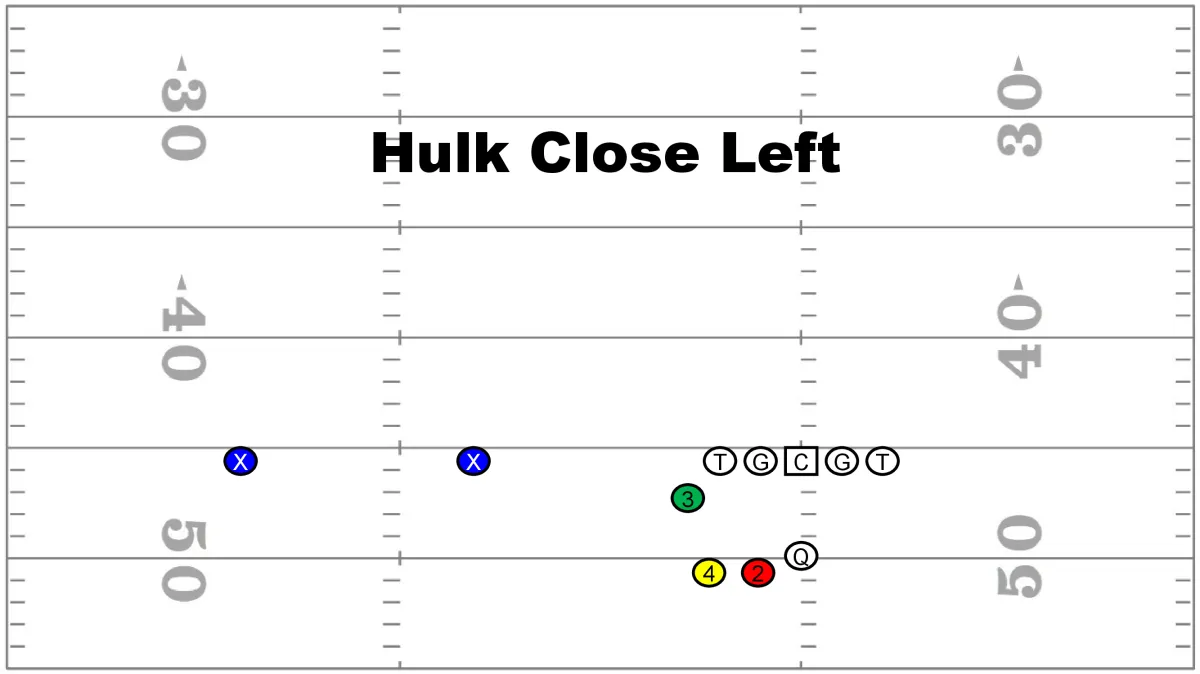
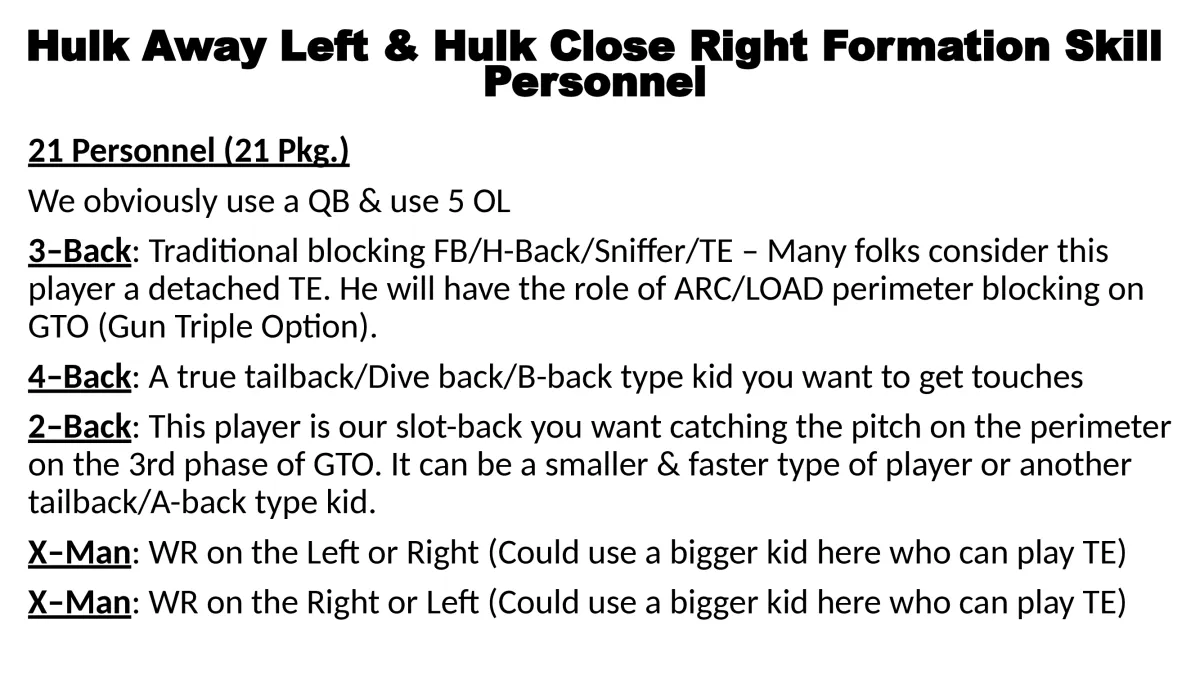
- Personnel Groupings – We primarily use 21 personnel and 30 personnel packages.
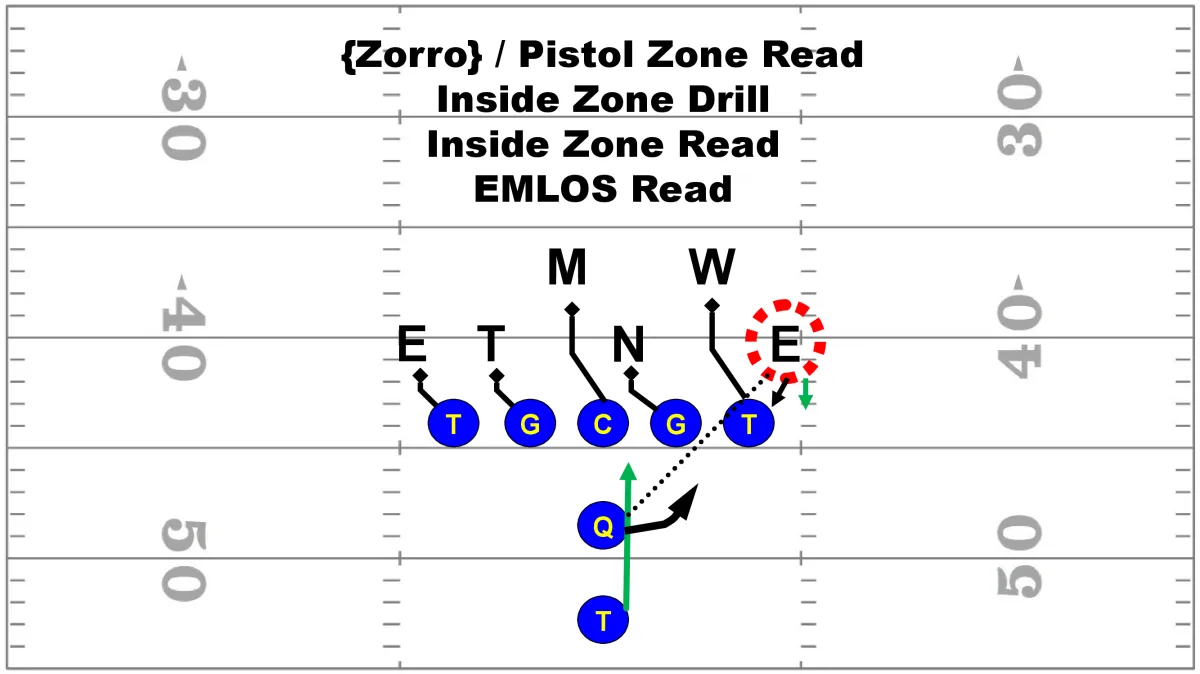
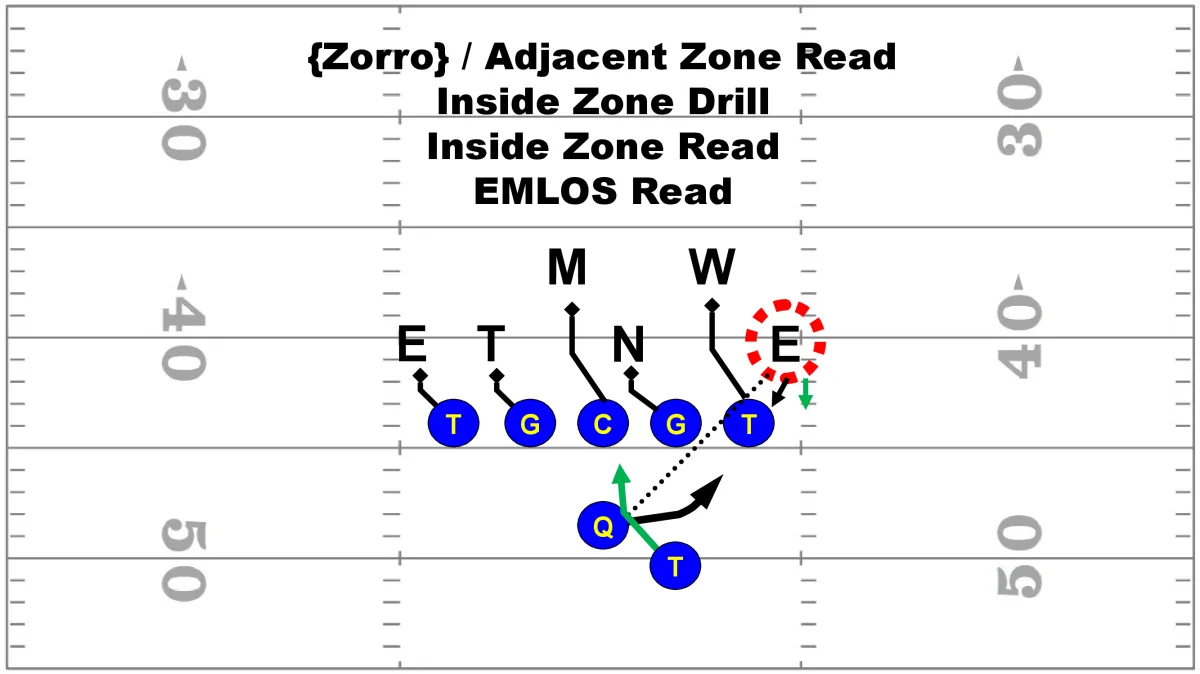
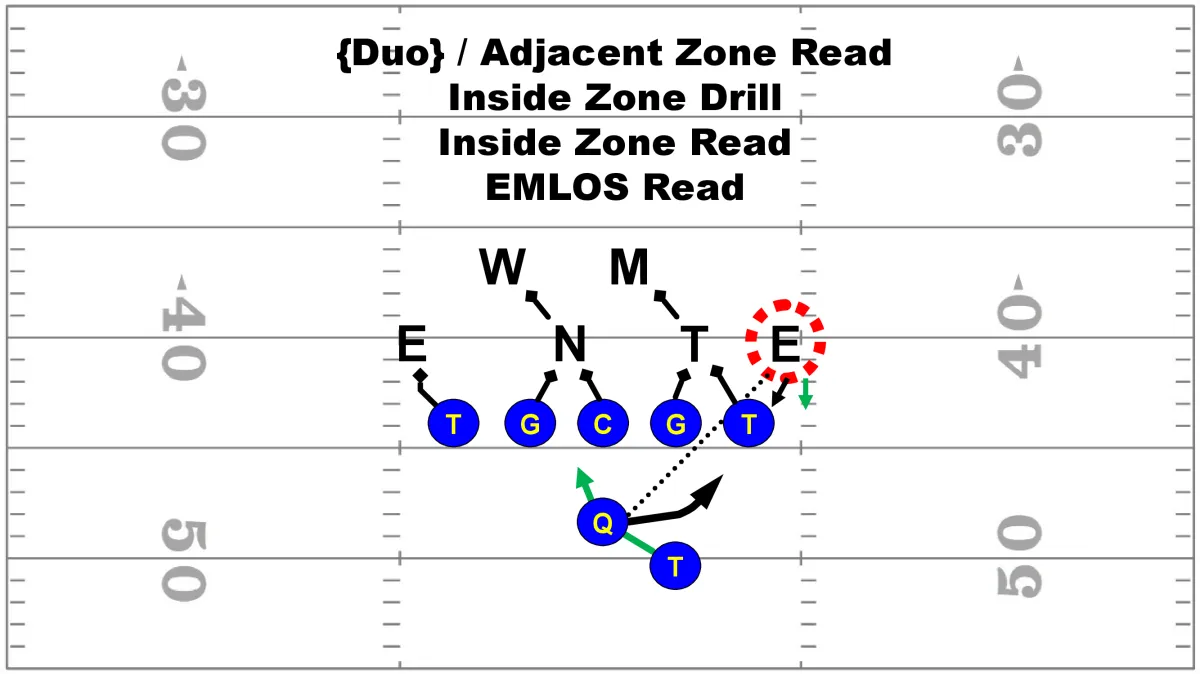
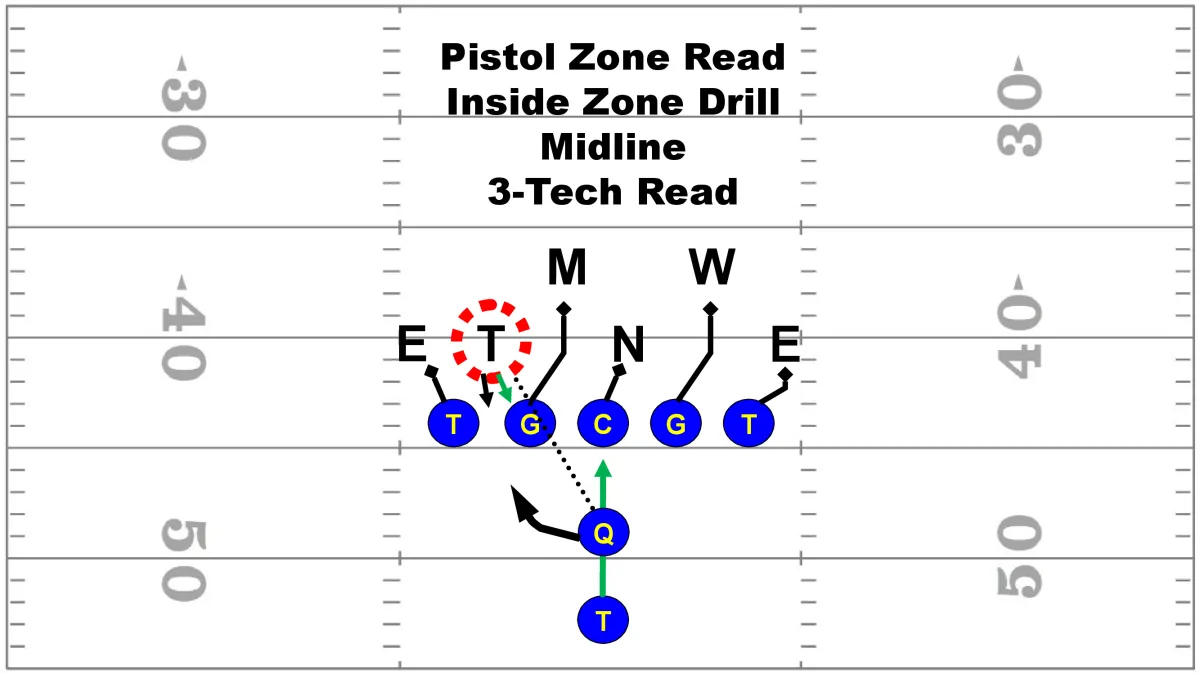
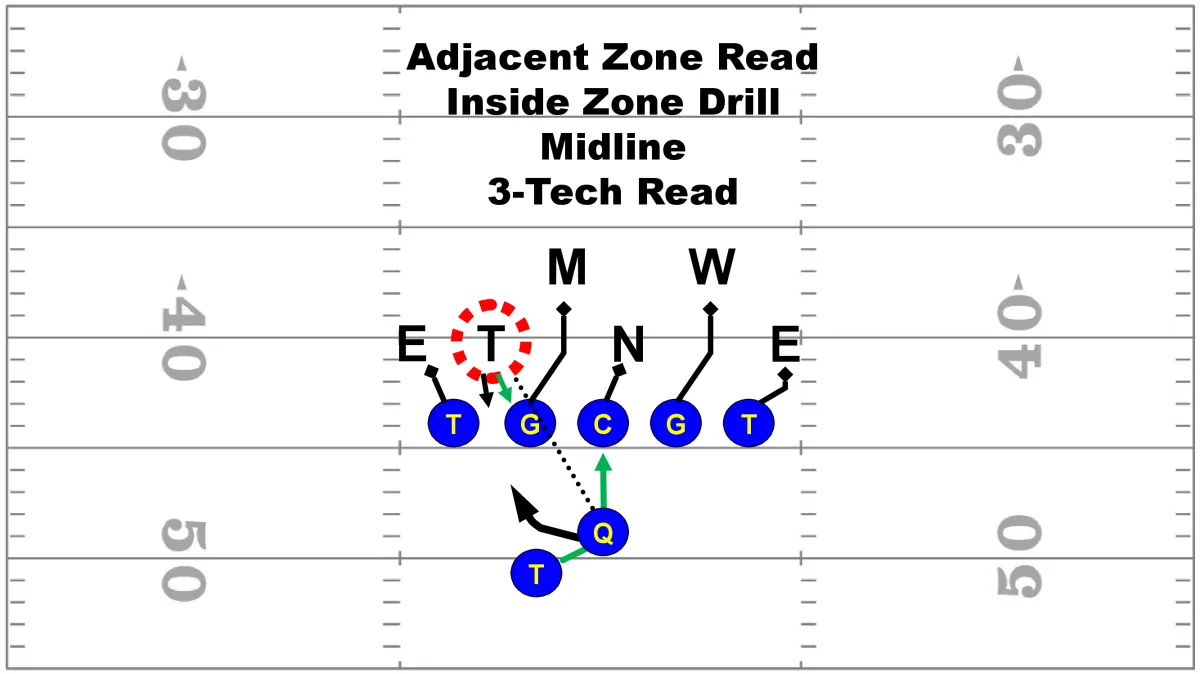
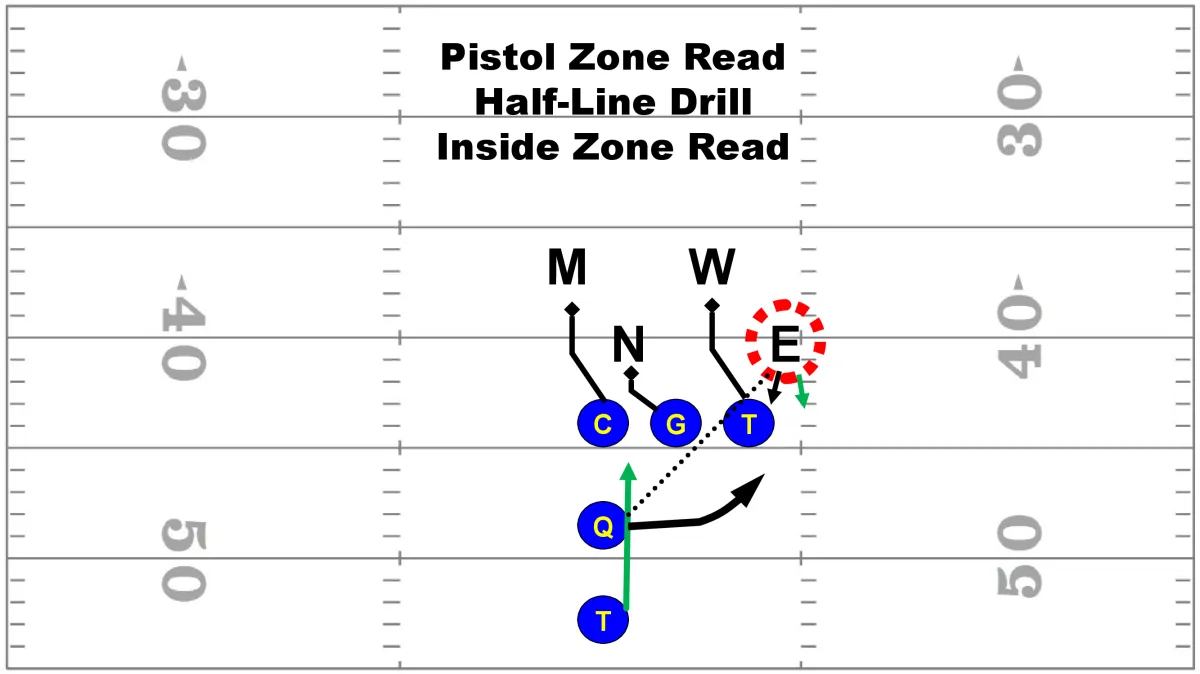
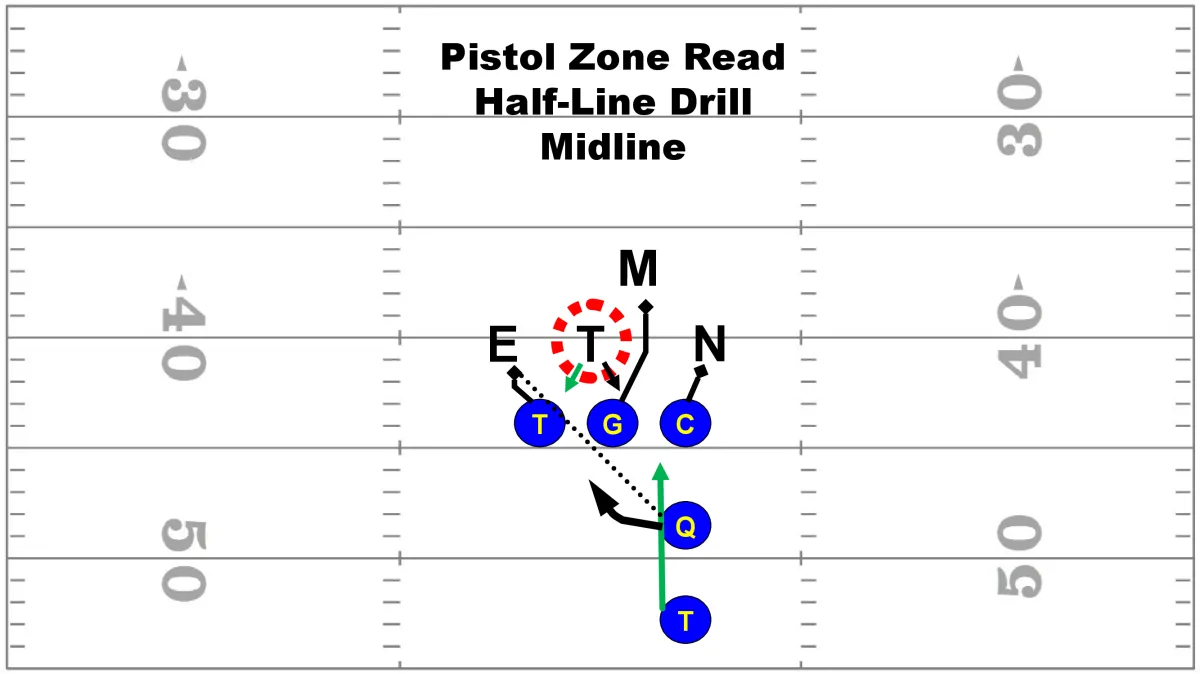
- Offensive Line Scheme – Instead of using a traditional veer blocking scheme for the dive phase, we utilize an inside zone blocking scheme.
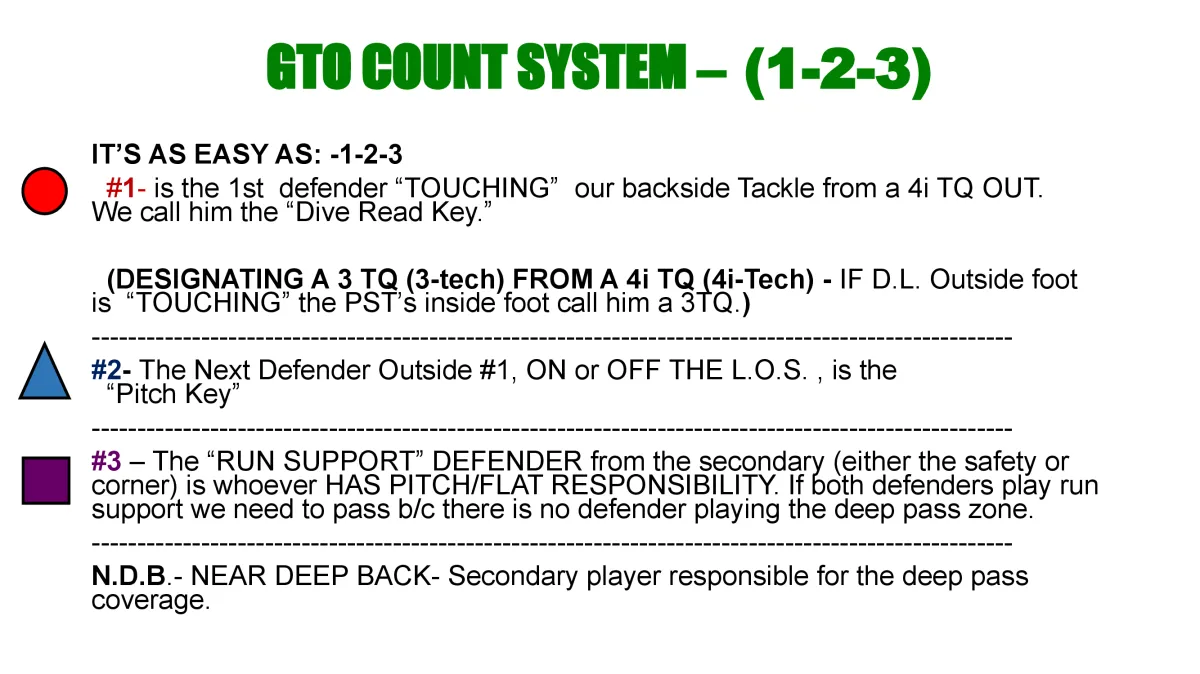
- Quarterback Read – The quarterback typically makes a backside read, though we will occasionally incorporate a front-side read.
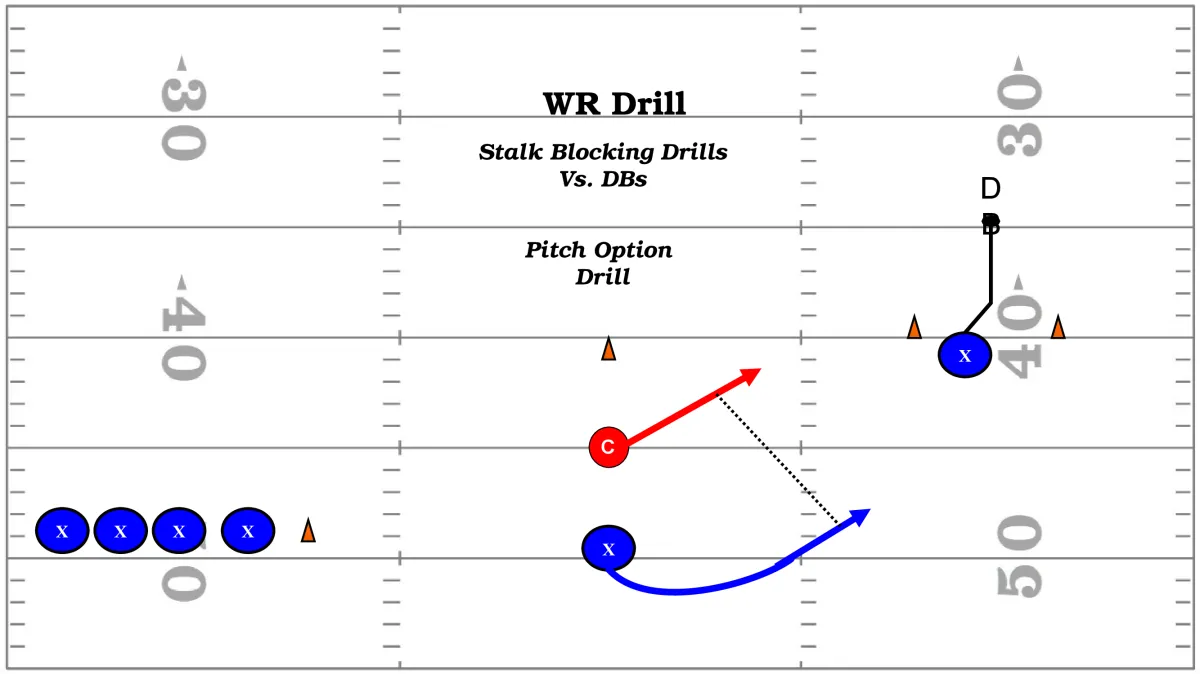
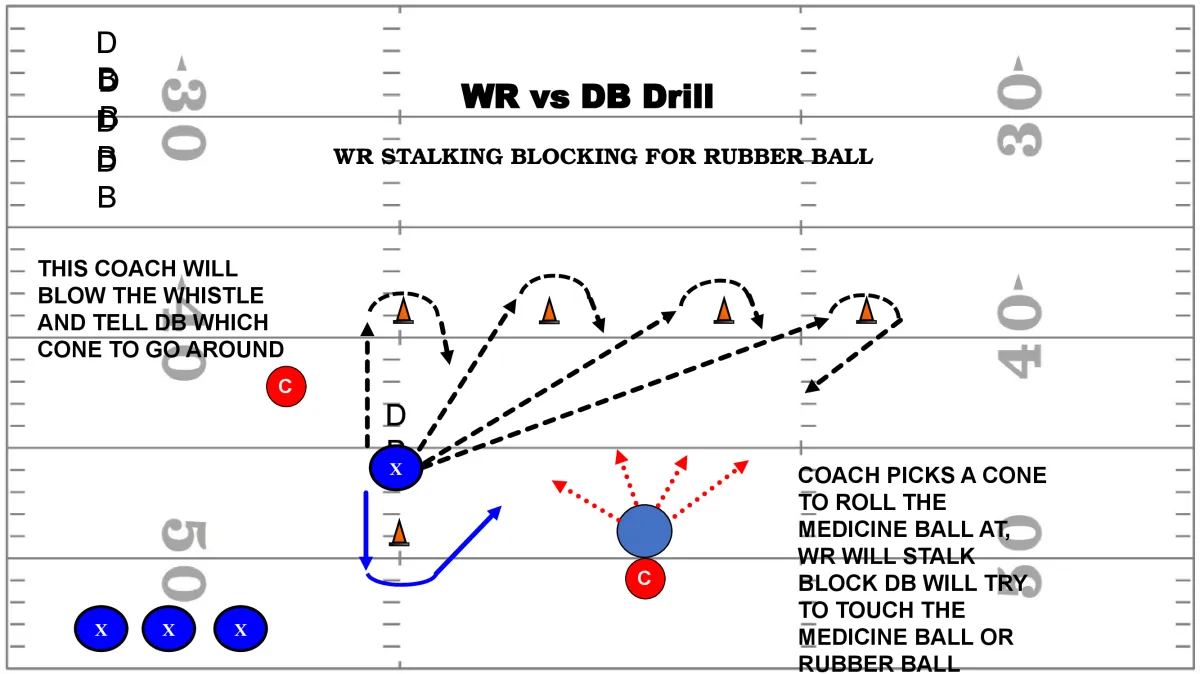
- Perimeter Structure – Because the offense features both a Give side (RB zone path) and a Keep side (QB pull path), there is no true designated play-side or backside. Wide receivers on both sides execute base perimeter rules such as run-off or stalk blocking.
WHAT IS THE GUN TRIPLE OPTION OFFENSE?
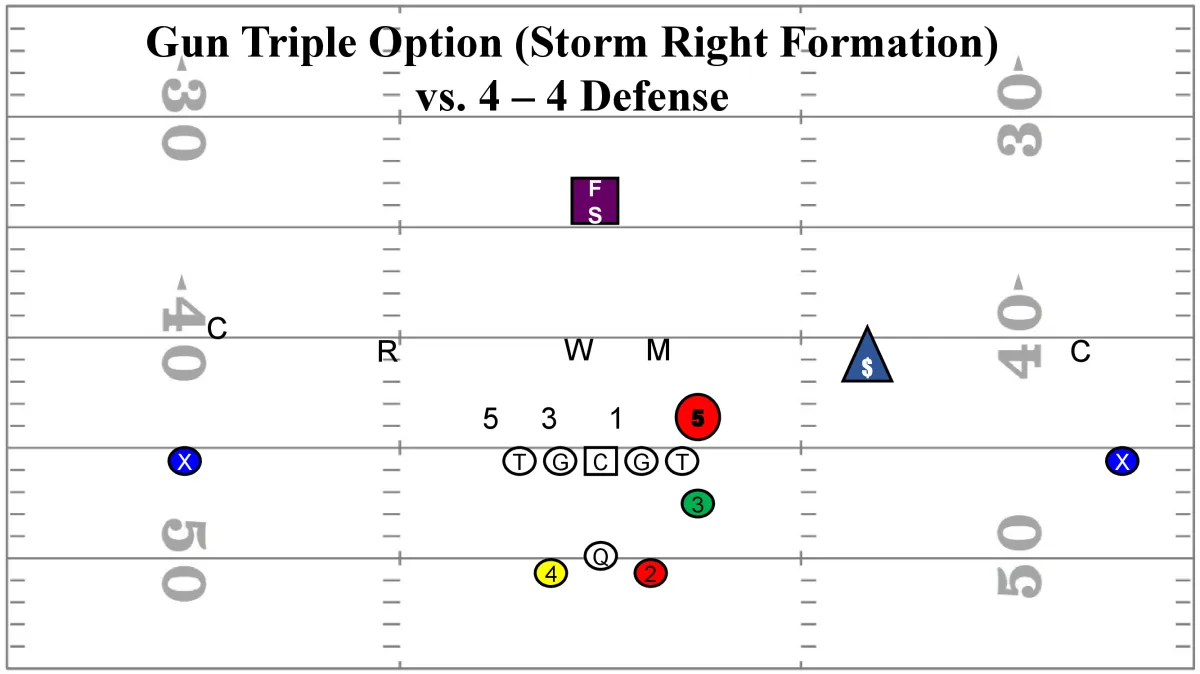
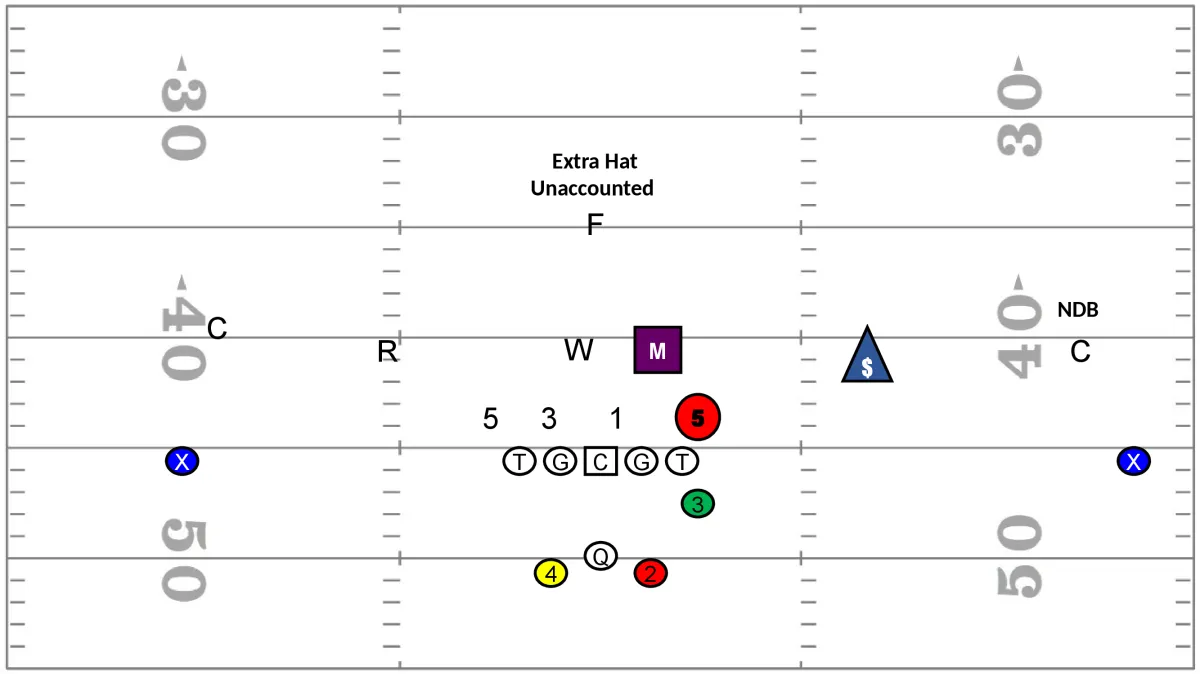
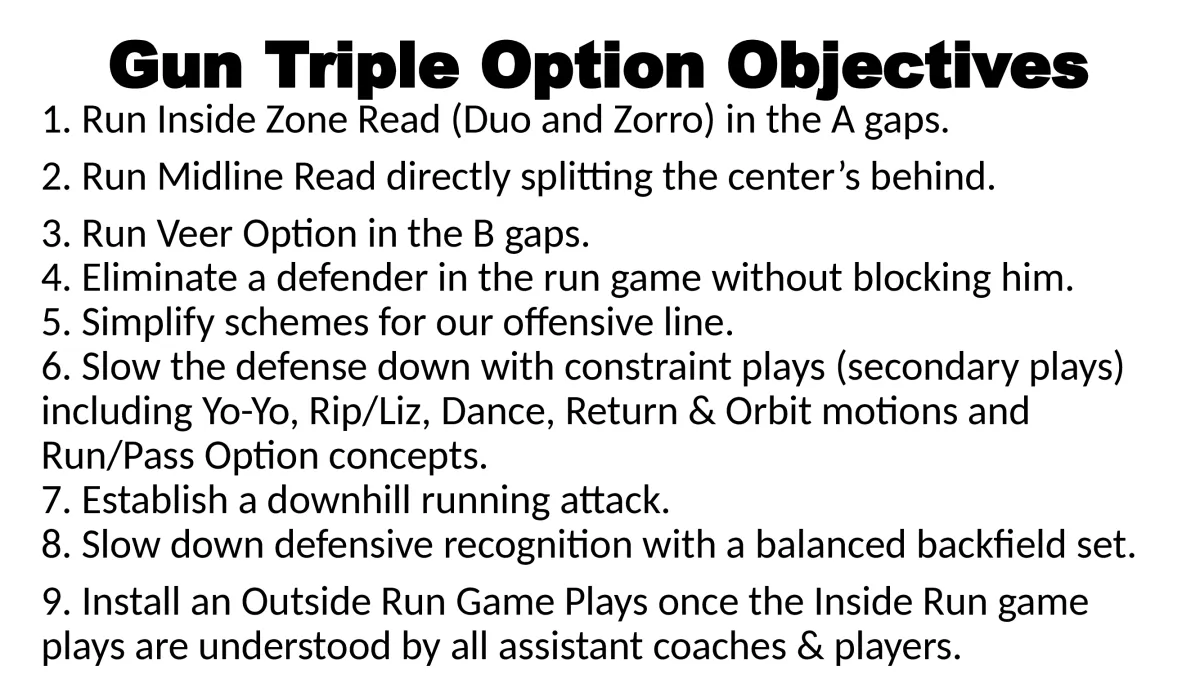
The Gun Triple Option is an offensive concept in which the quarterback, aligned in the shotgun formation, reads unblocked defenders to determine where the football should go — the dive, the keep, or the pitch. It combines the physical, run-oriented principles of the traditional triple option with the spacing and versatility of modern spread offenses.
The offense gets its name from the three possible ball carriers involved on a single play, with the quarterback making the decision in real time based on defensive reactions.
The Three Options
-
Dive (Give):
The quarterback hands the ball to the running back on an inside run path. -
Keep:
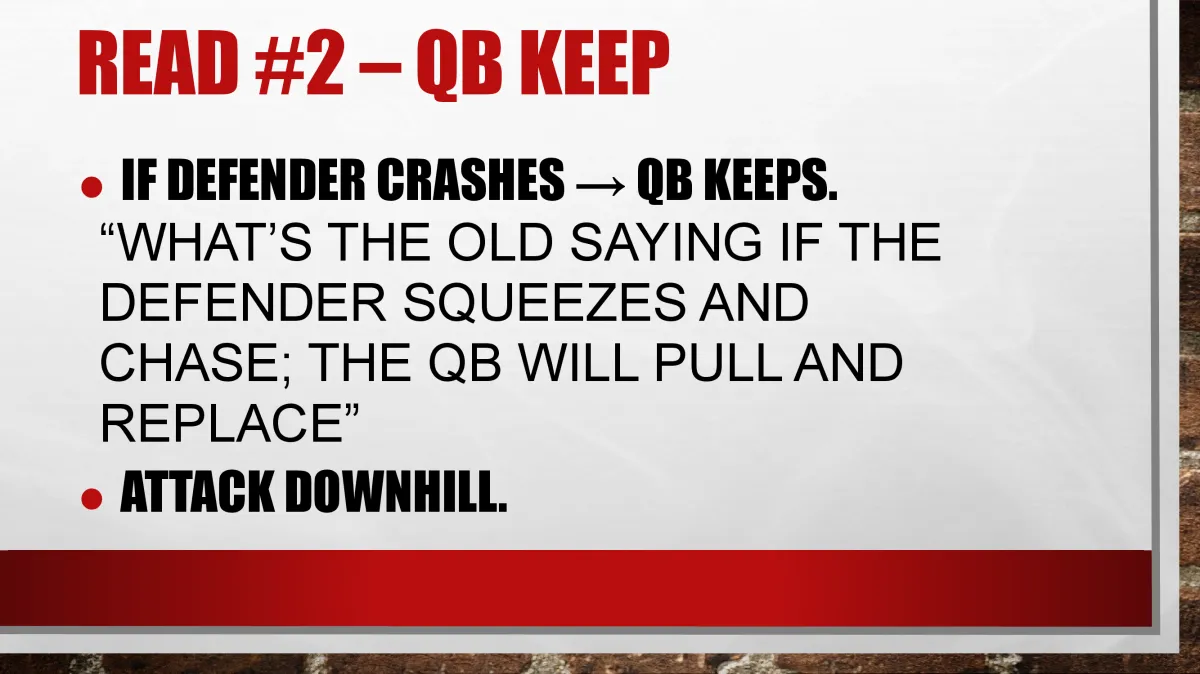
If the defensive end crashes inside to stop the dive, the quarterback pulls the ball and attacks the perimeter himself. -
Pitch:
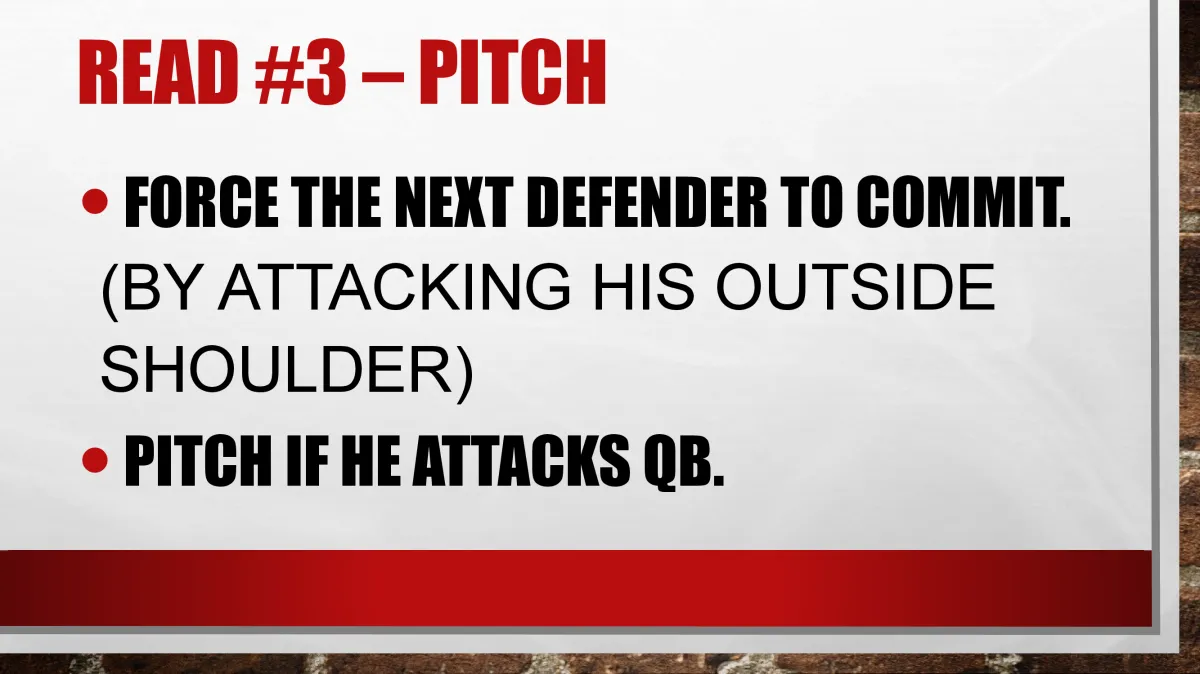
If the outside defender commits to tackling the quarterback, the quarterback pitches the ball to a trailing slot receiver or running back.
HOW THE GUN TRIPLE OPTION DIFFERS FROM THE TRADITIONAL TRIPLE OPTION
Traditional triple option offenses, such as the Flexbone or Wishbone, place the quarterback under center. The Gun Triple Option modernizes the concept by moving the quarterback into the shotgun formation.
Advantages of the Gun Triple Option
-
Enhanced Passing Threat
Operating from shotgun formations spreads the defense horizontally and creates more opportunities for RPOs and traditional passing concepts without signaling run or pass tendencies. -
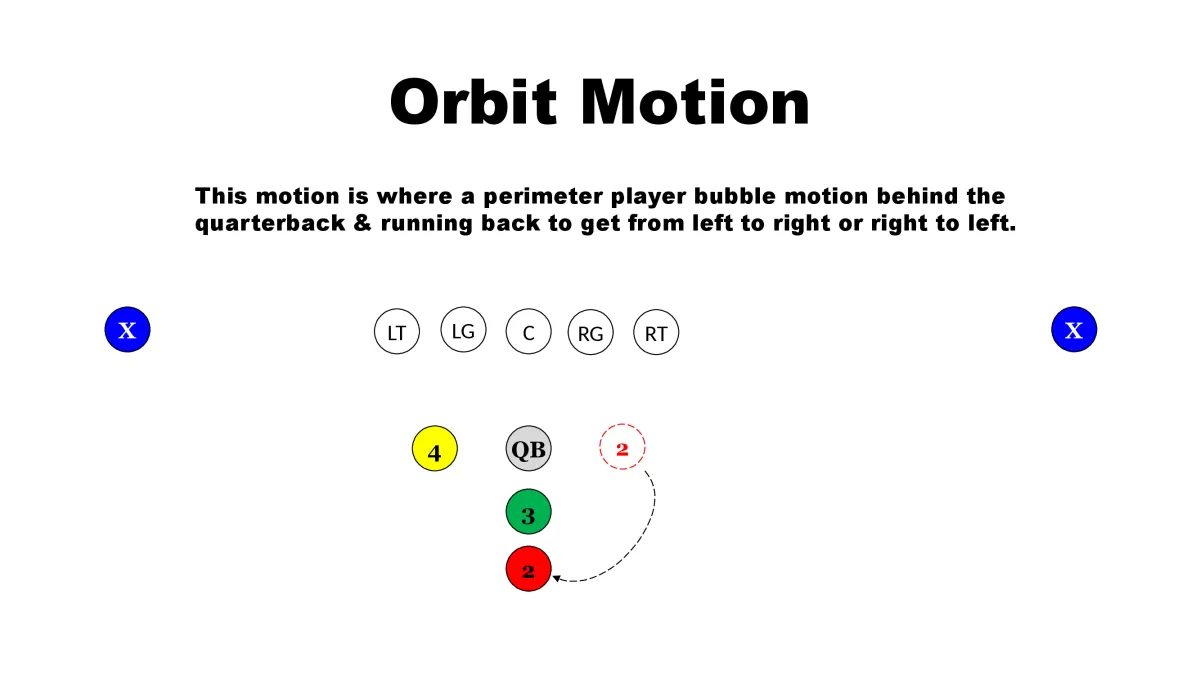
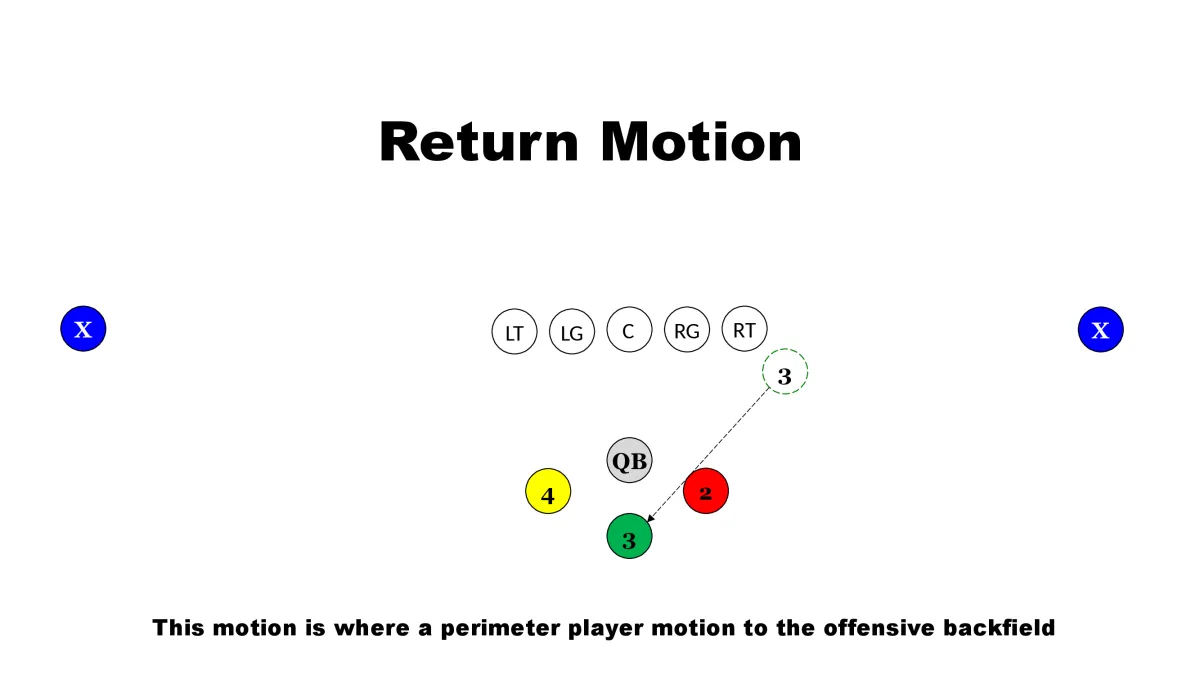
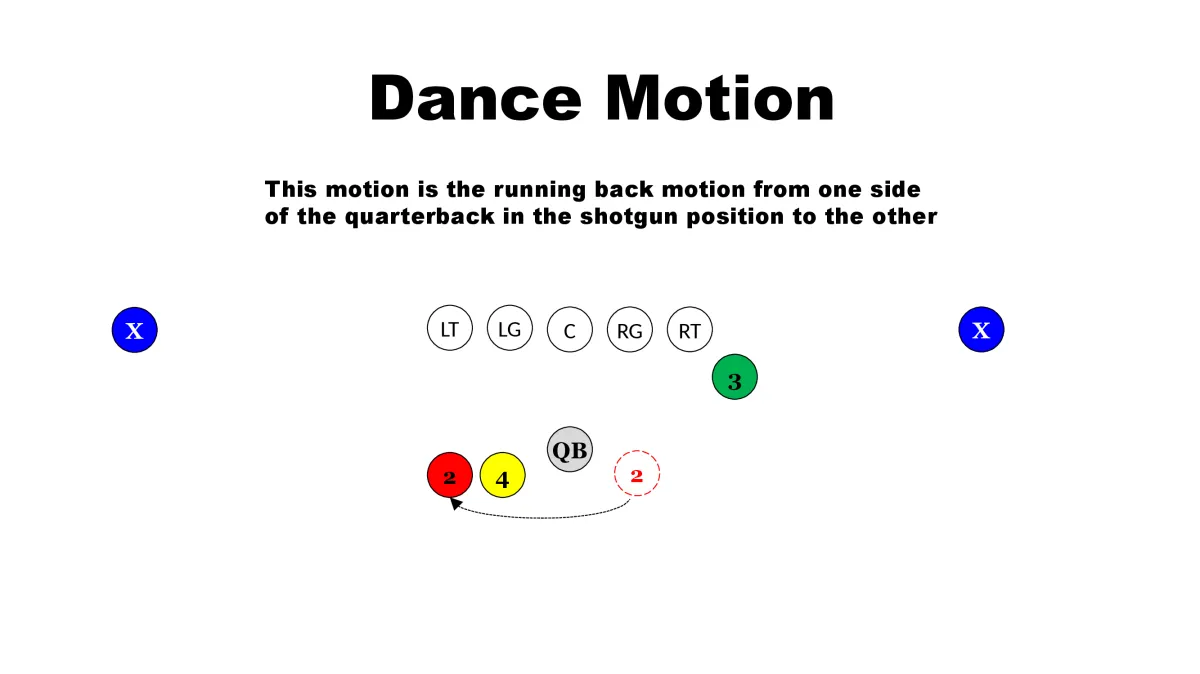
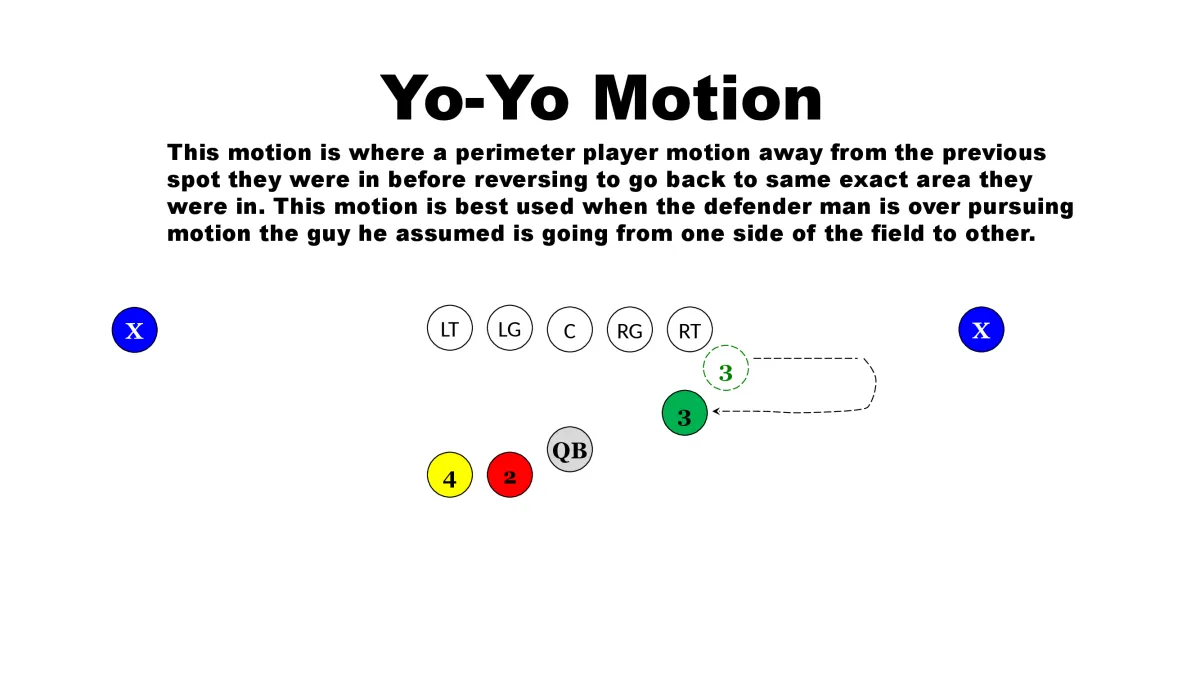
Pre-Snap Motion
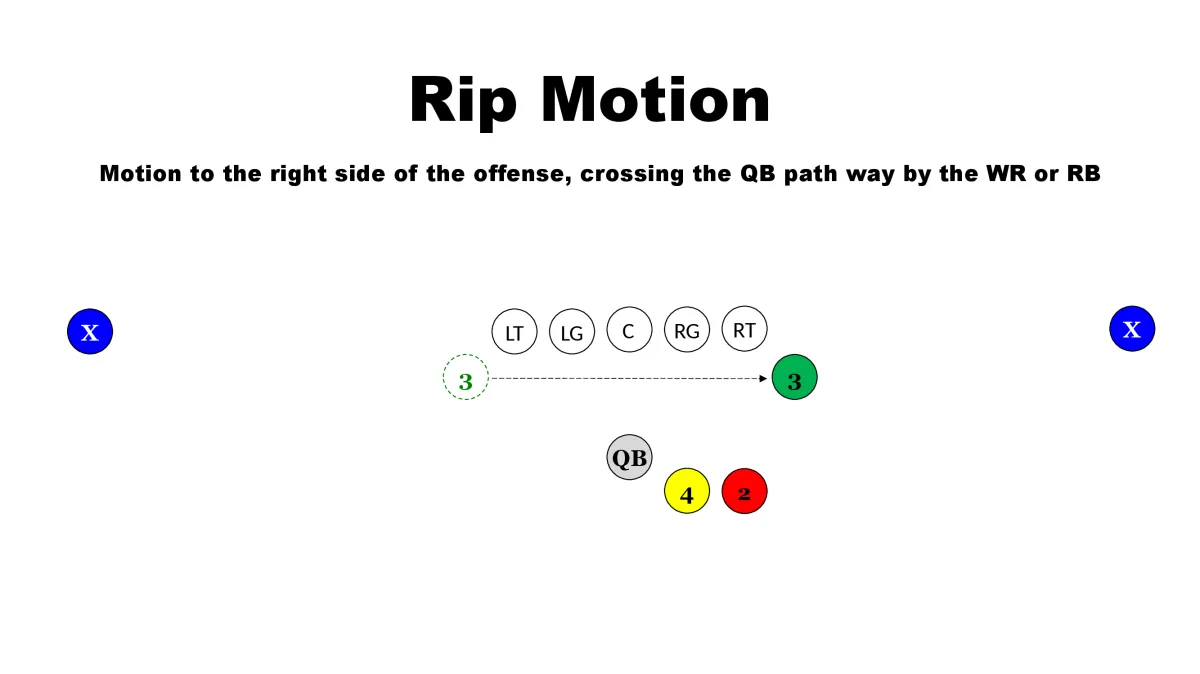
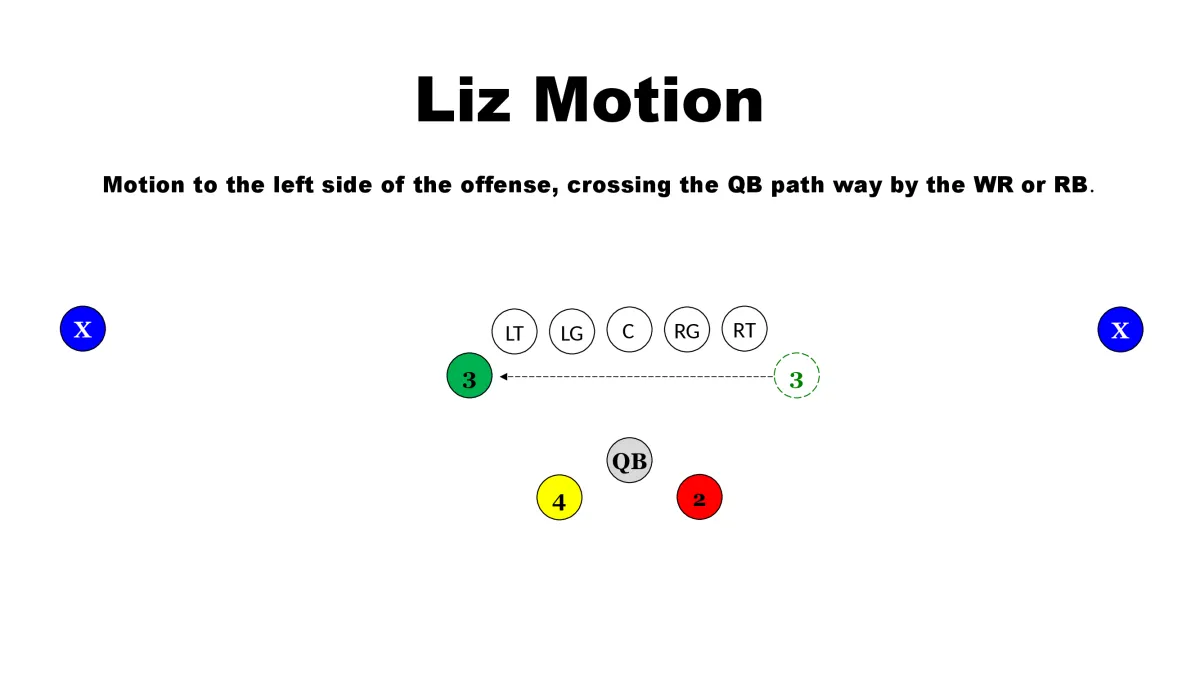
The offense frequently incorporates both fast and slow motion to create leverage and numbers advantages on the perimeter. -
Improved Defensive Visibility
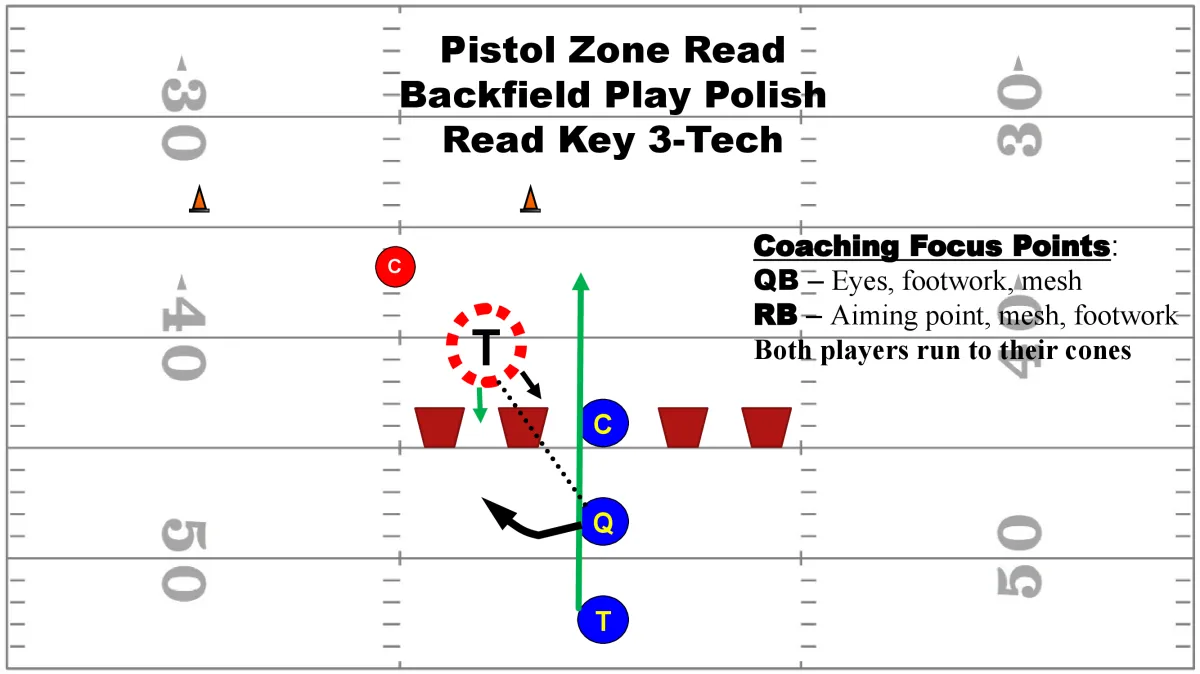
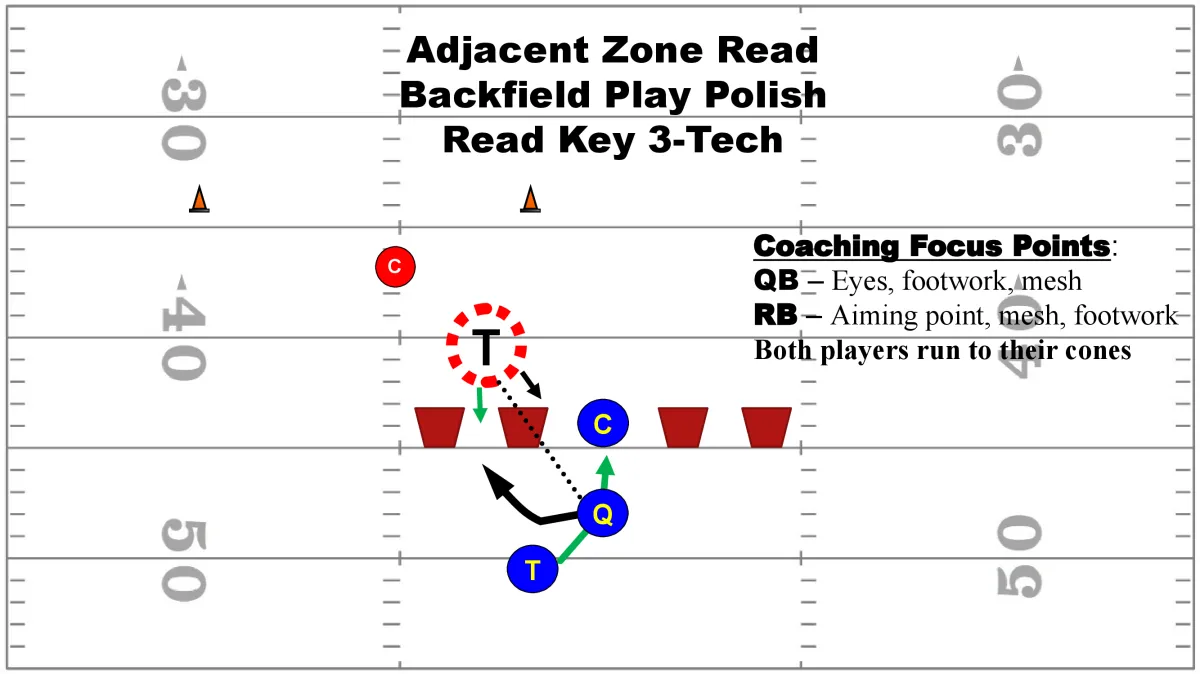
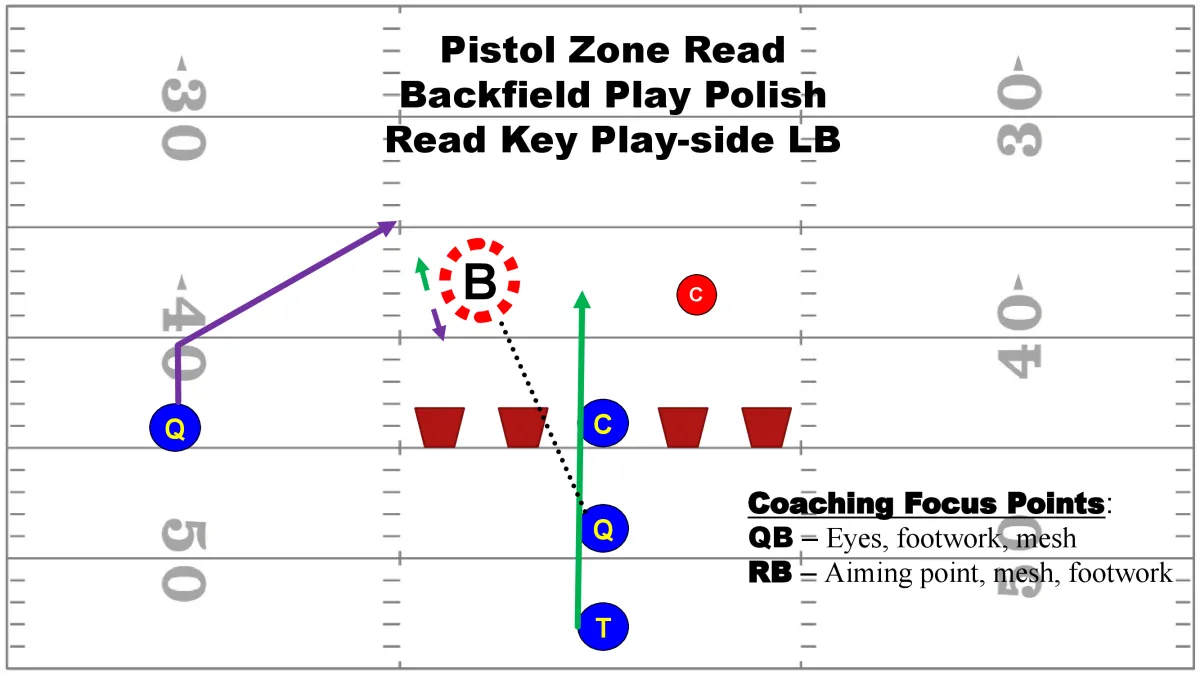
Shotgun alignment allows the quarterback a wider and clearer view of the defense. Many GTO concepts also incorporate zone-read principles rather than attacking strictly downhill at the line of scrimmage.
All Rights Reserved | Football's Five Star Playcalling LLC | 2026